Breath of Ice
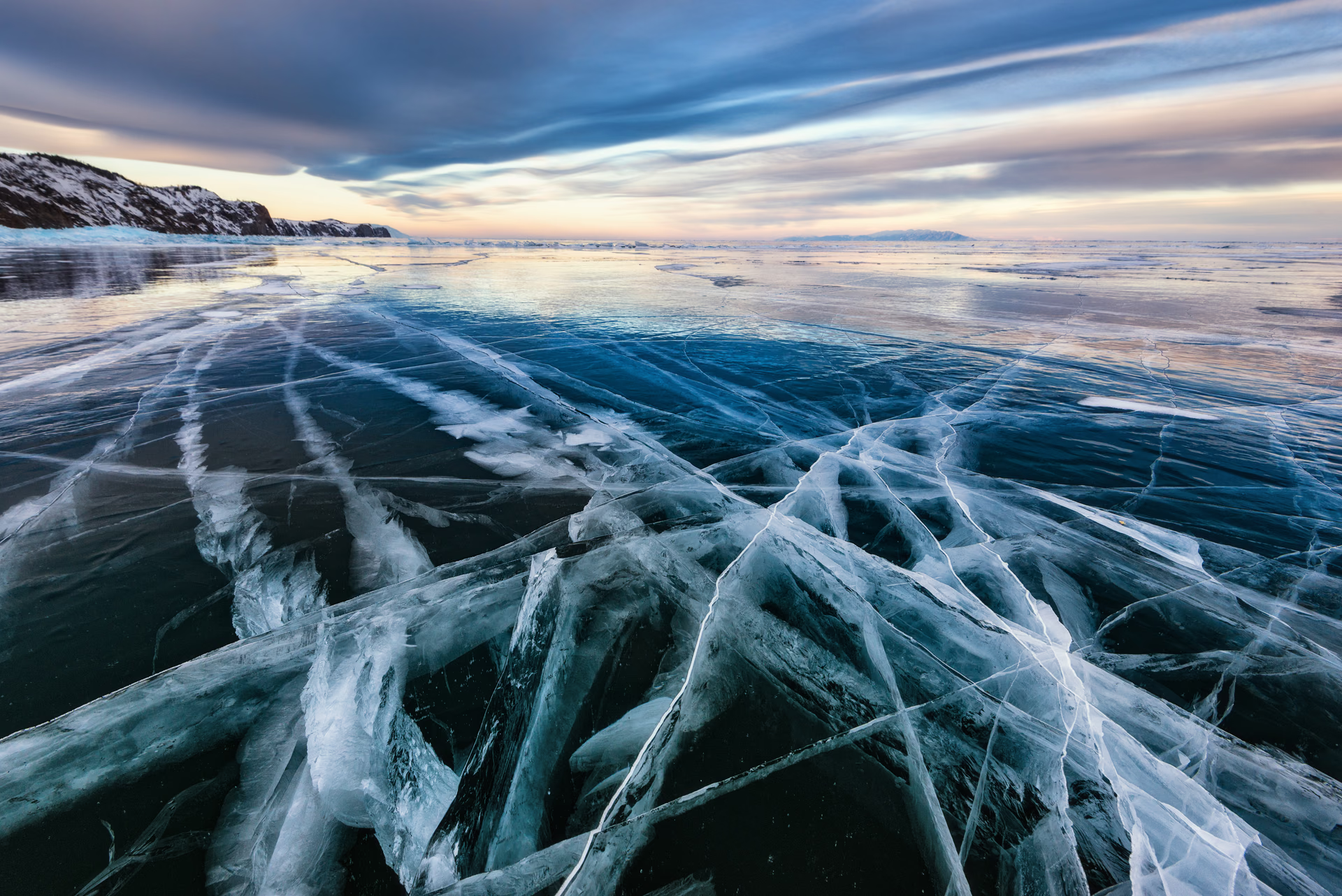
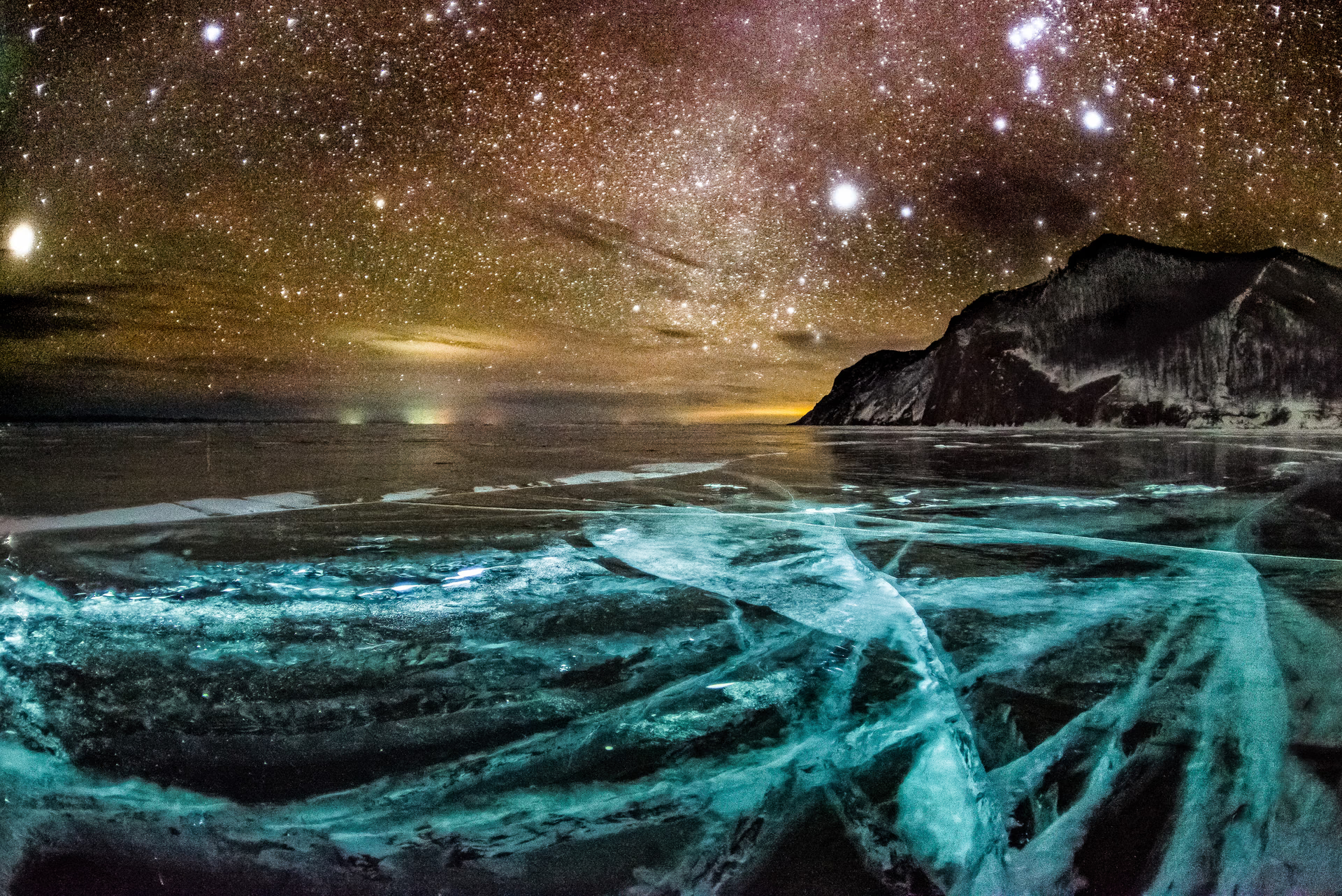
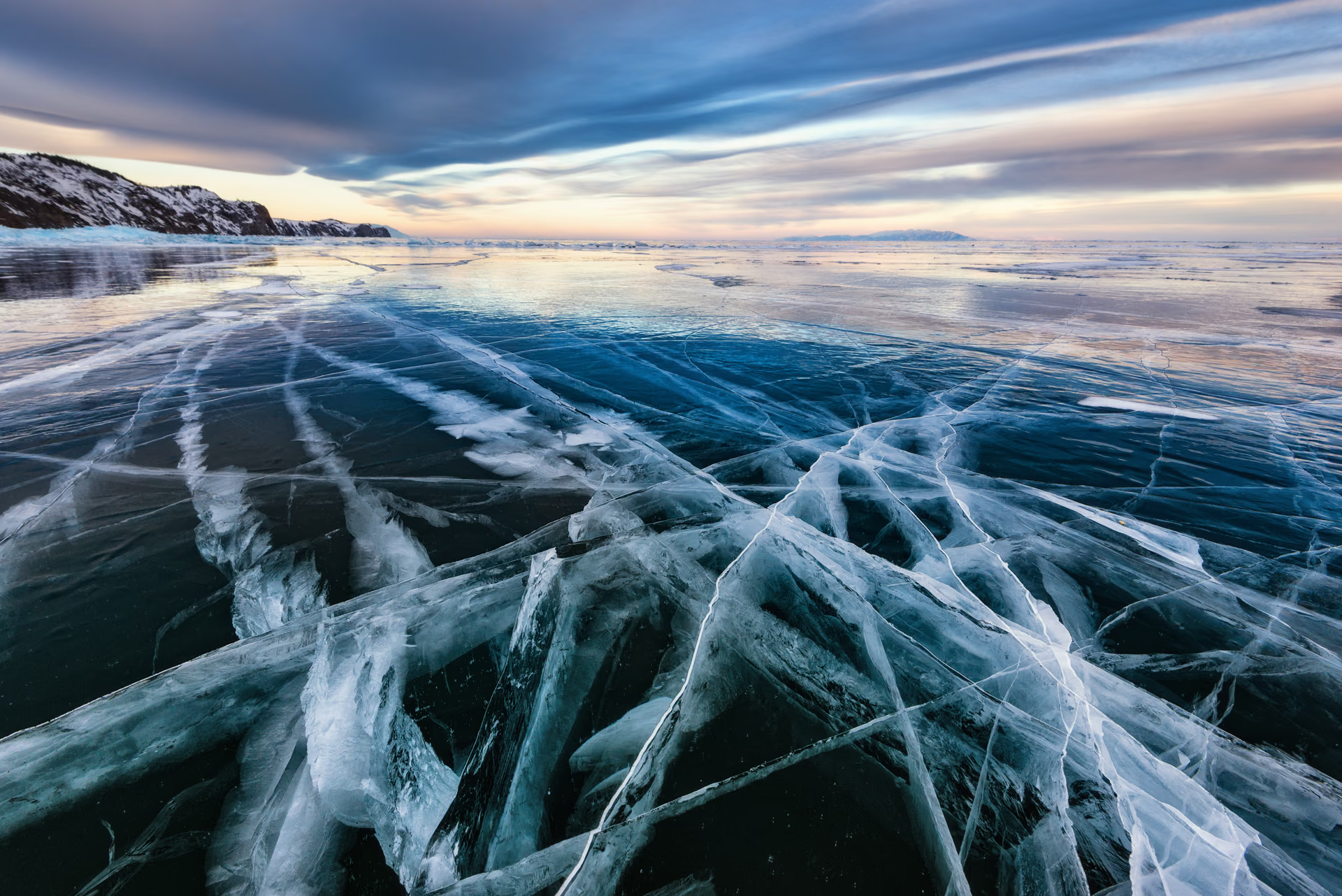
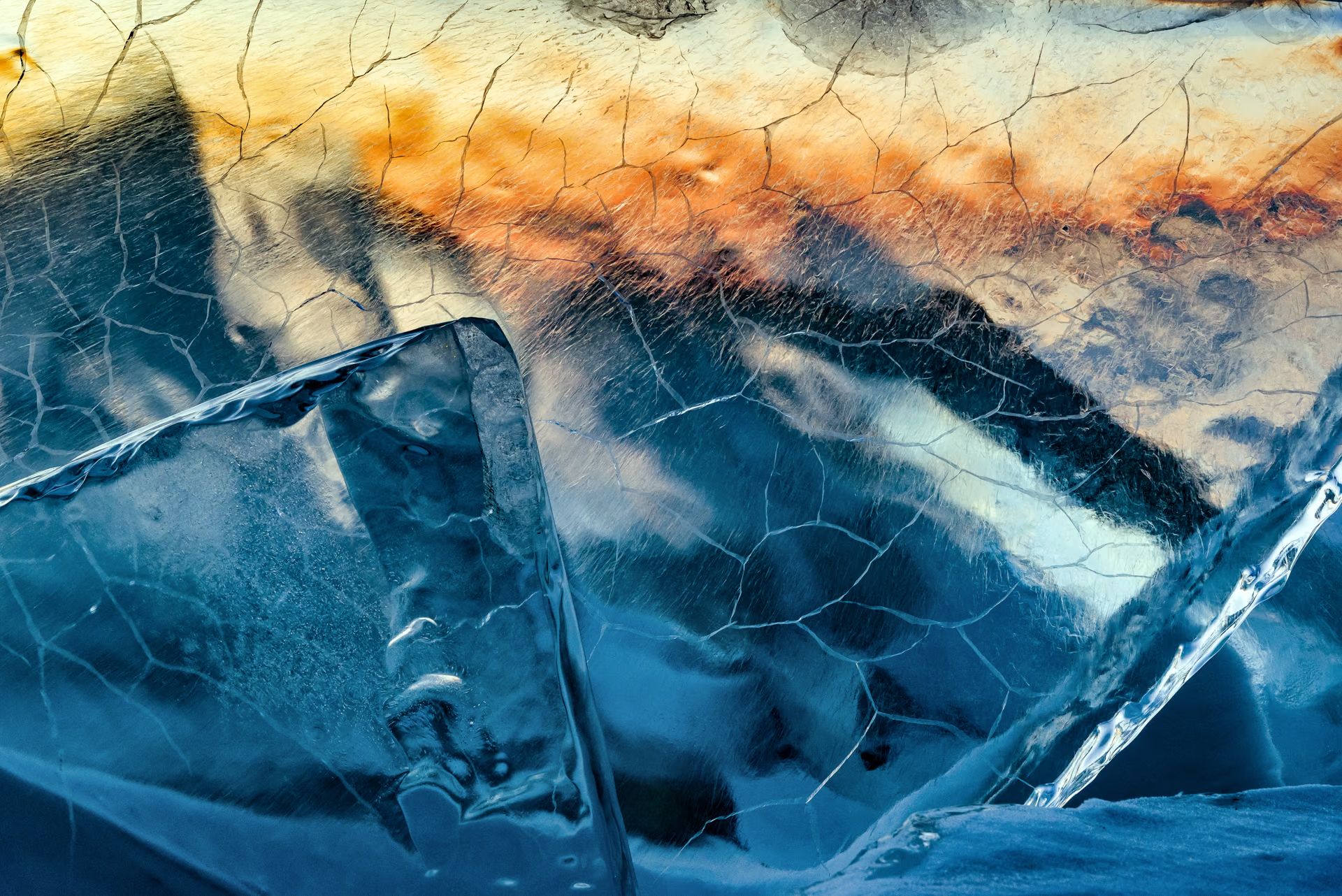
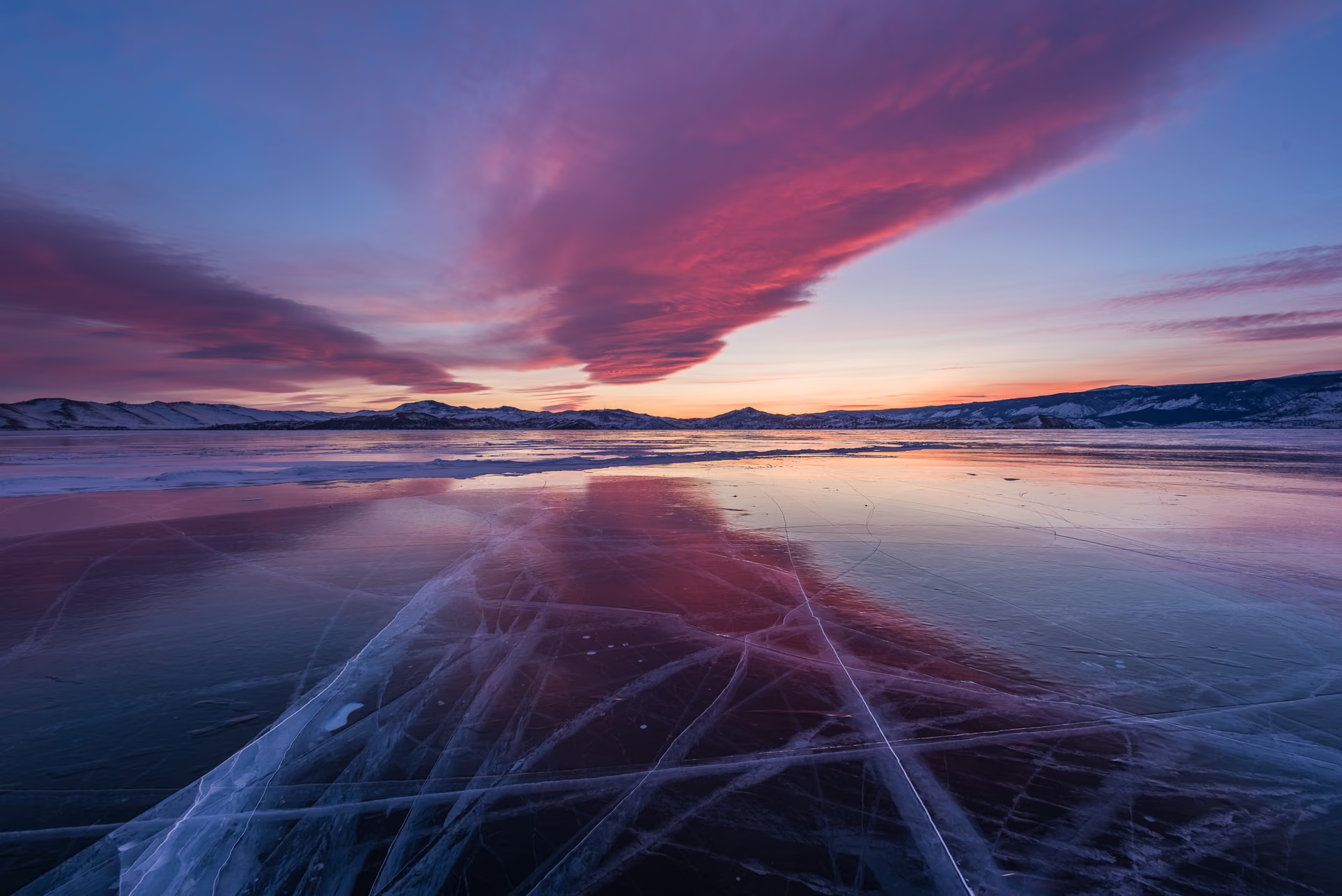
In winter, Baikal does not simply freeze — it breathes. Even what looks perfectly still is under tension every second: the ice cracks, shifts, expands, and tightens again — sometimes with a sound like a gunshot.
This series was shot across several winters, up close and from afar, in still light and in storm — an attempt to see that breathing at every scale it takes.
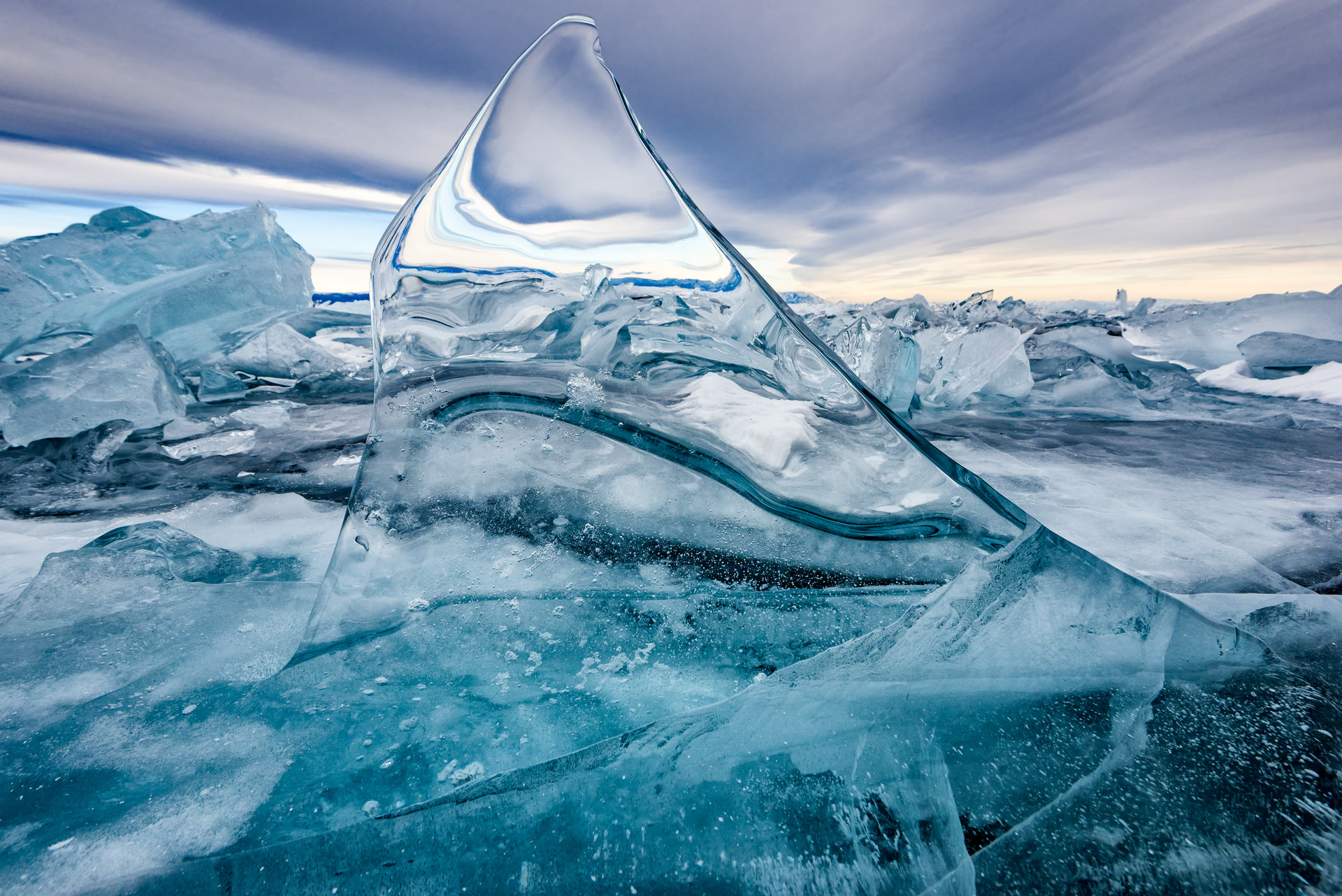
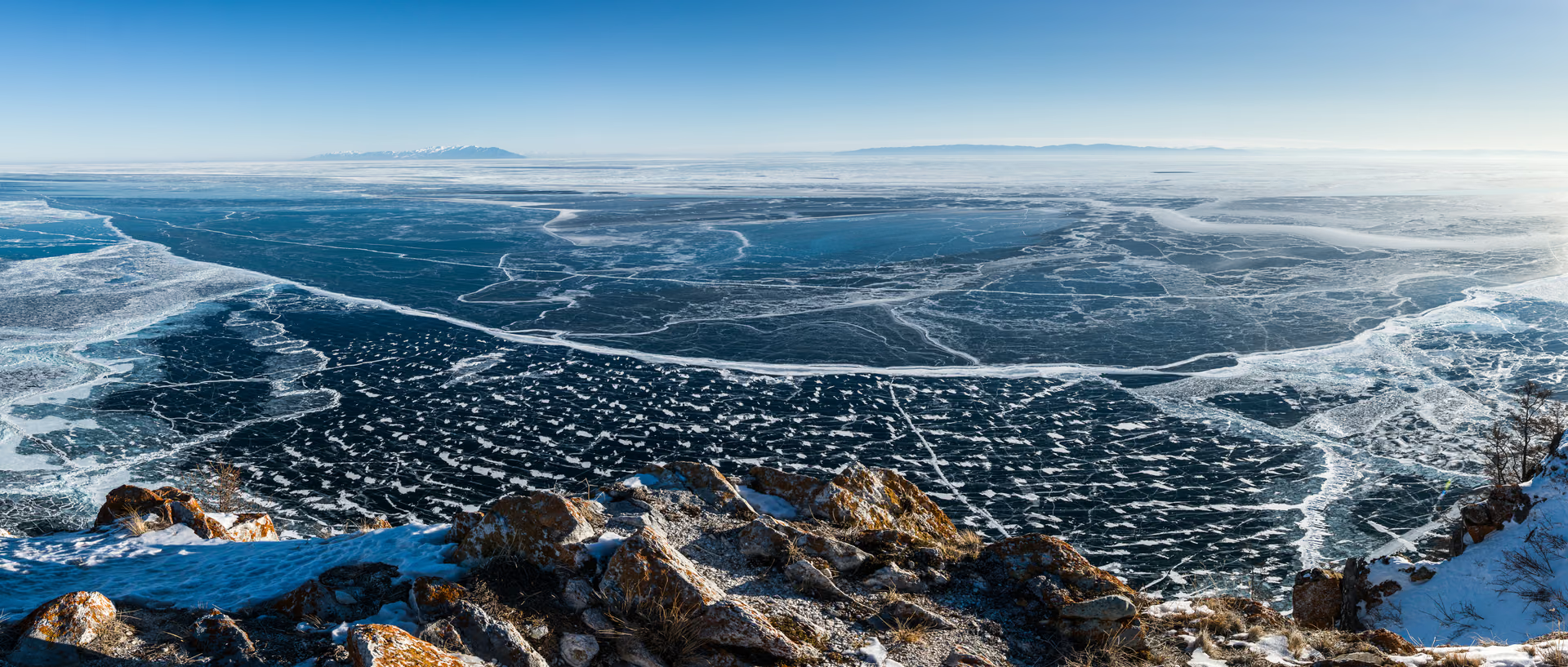
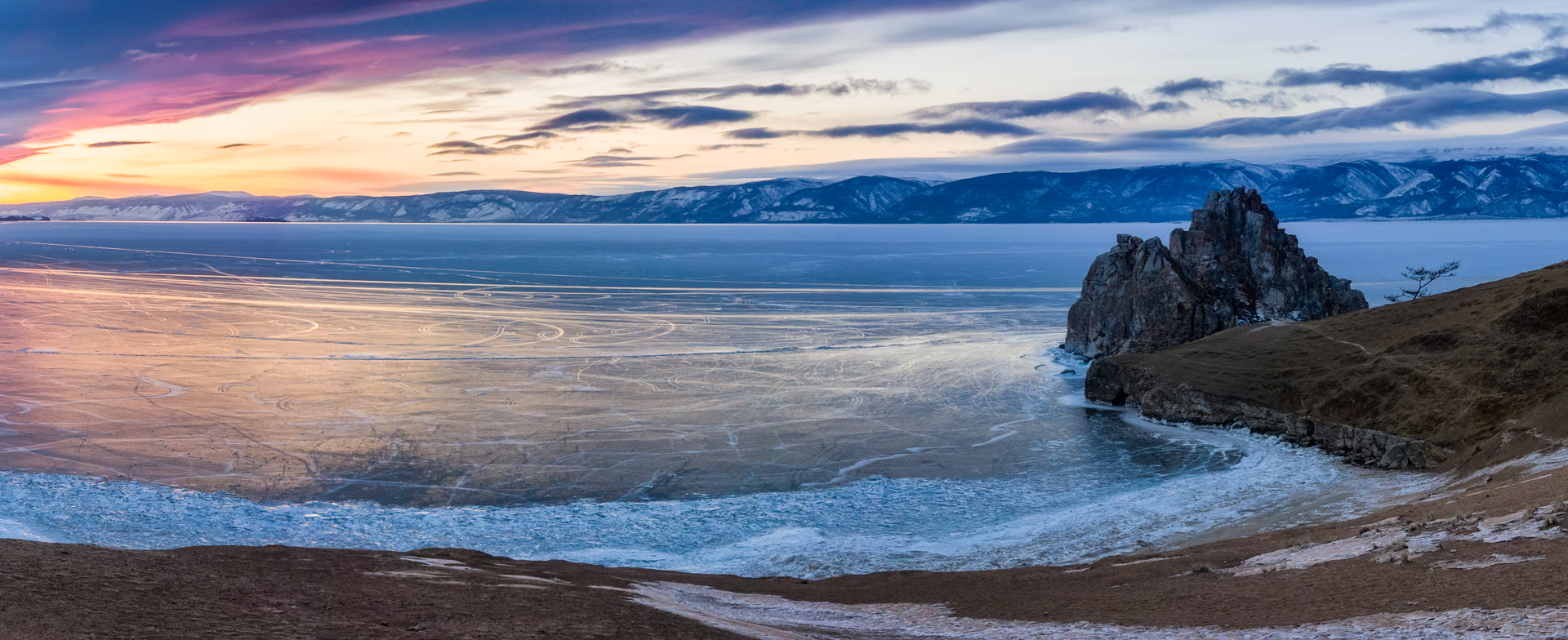
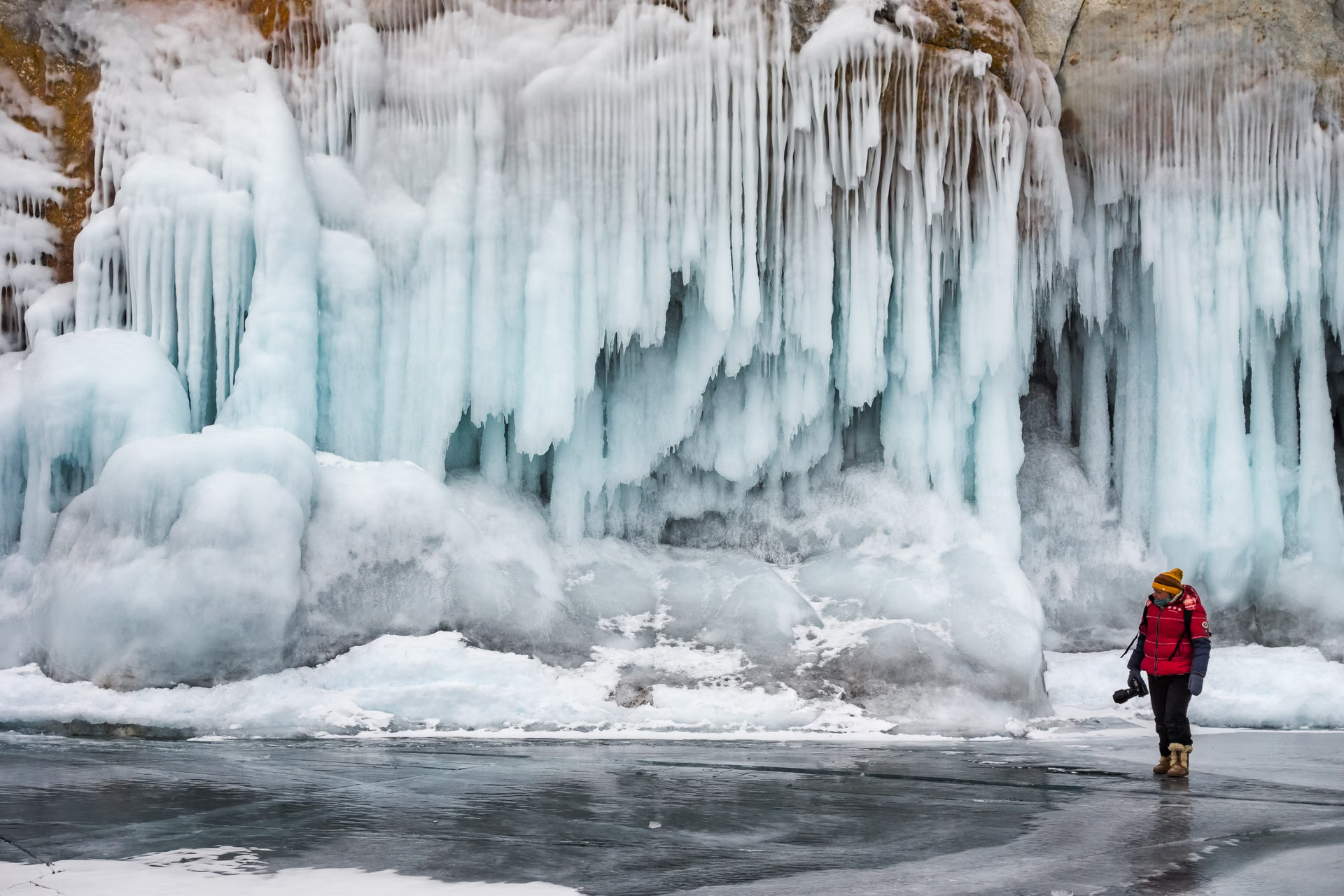
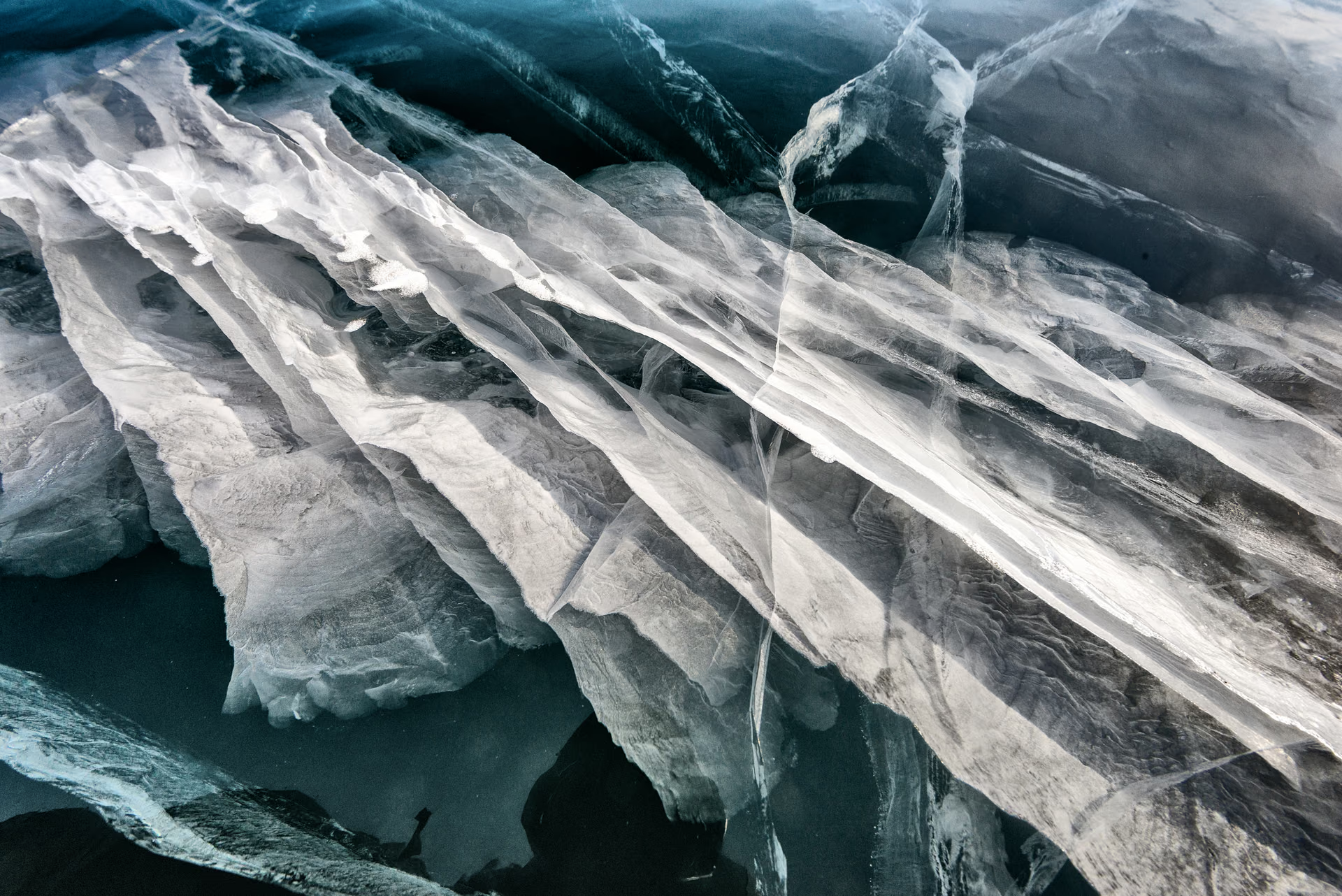
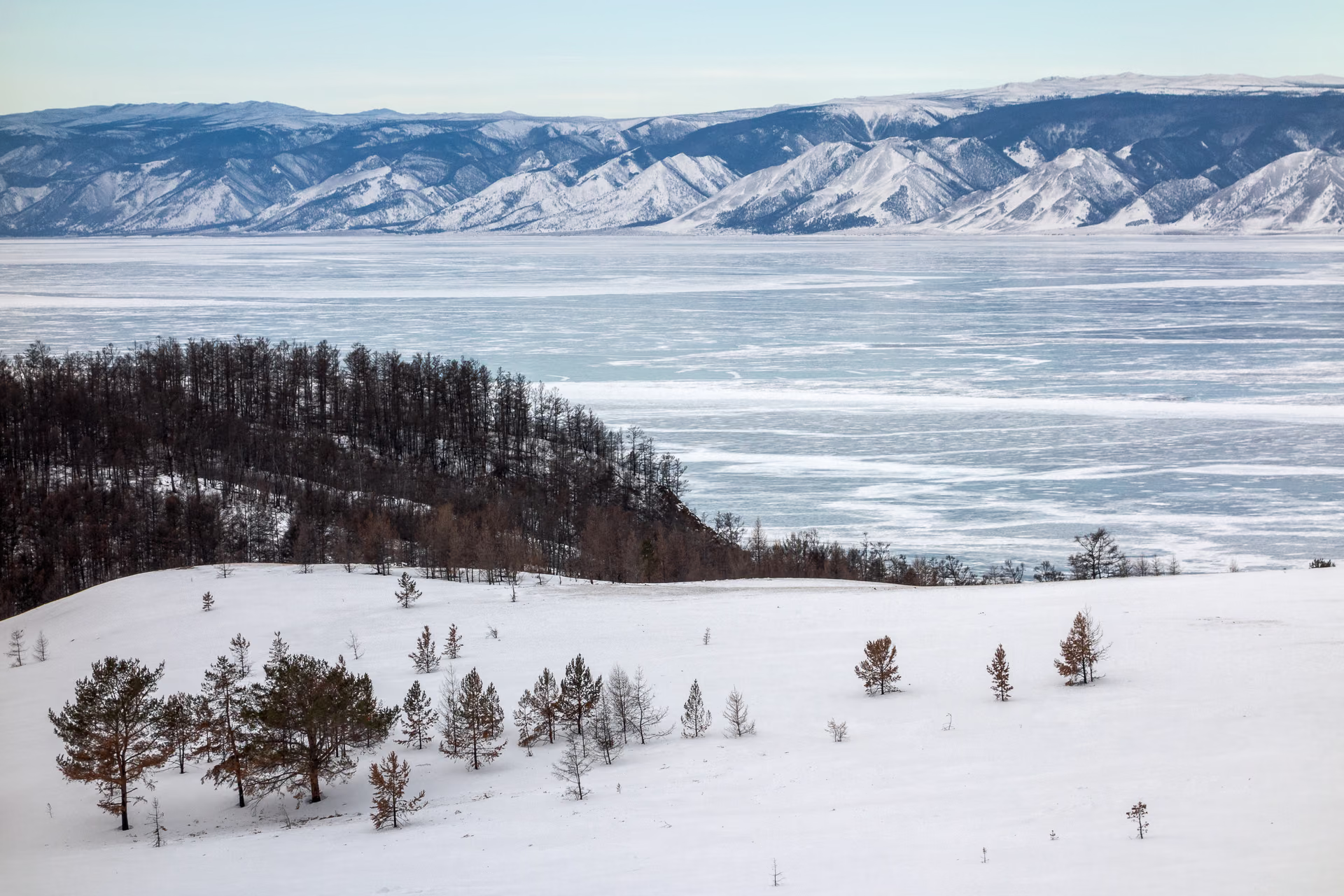
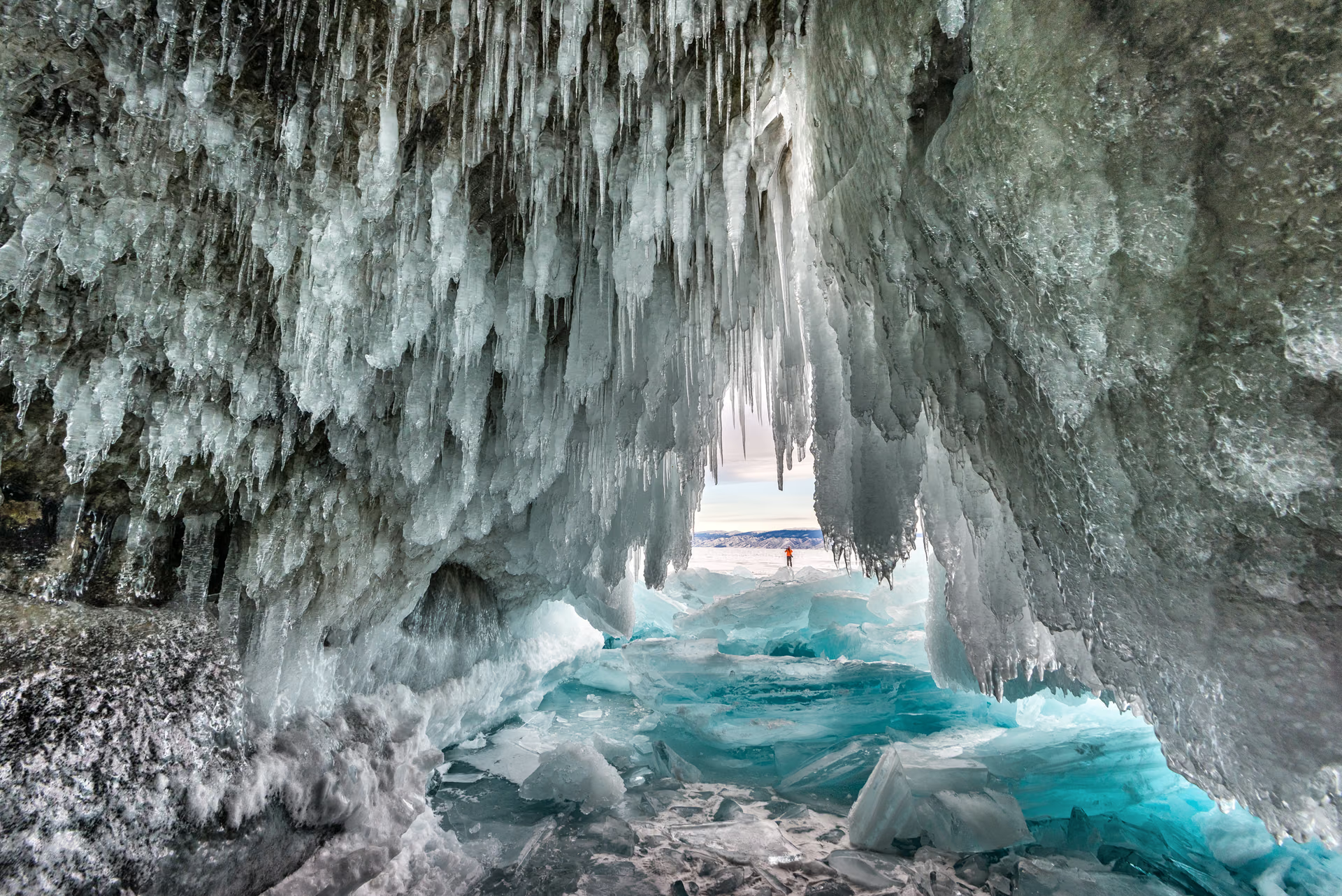
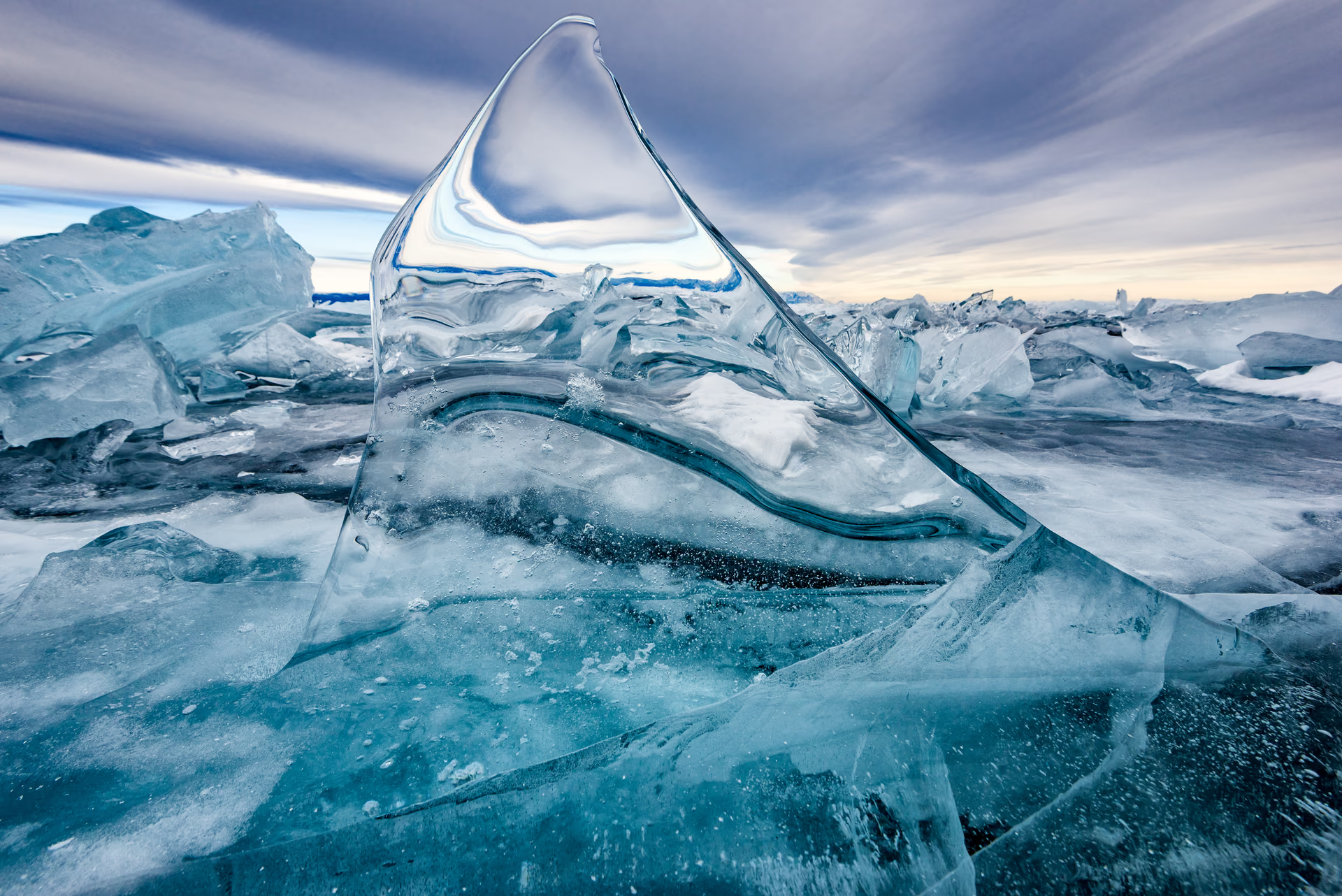
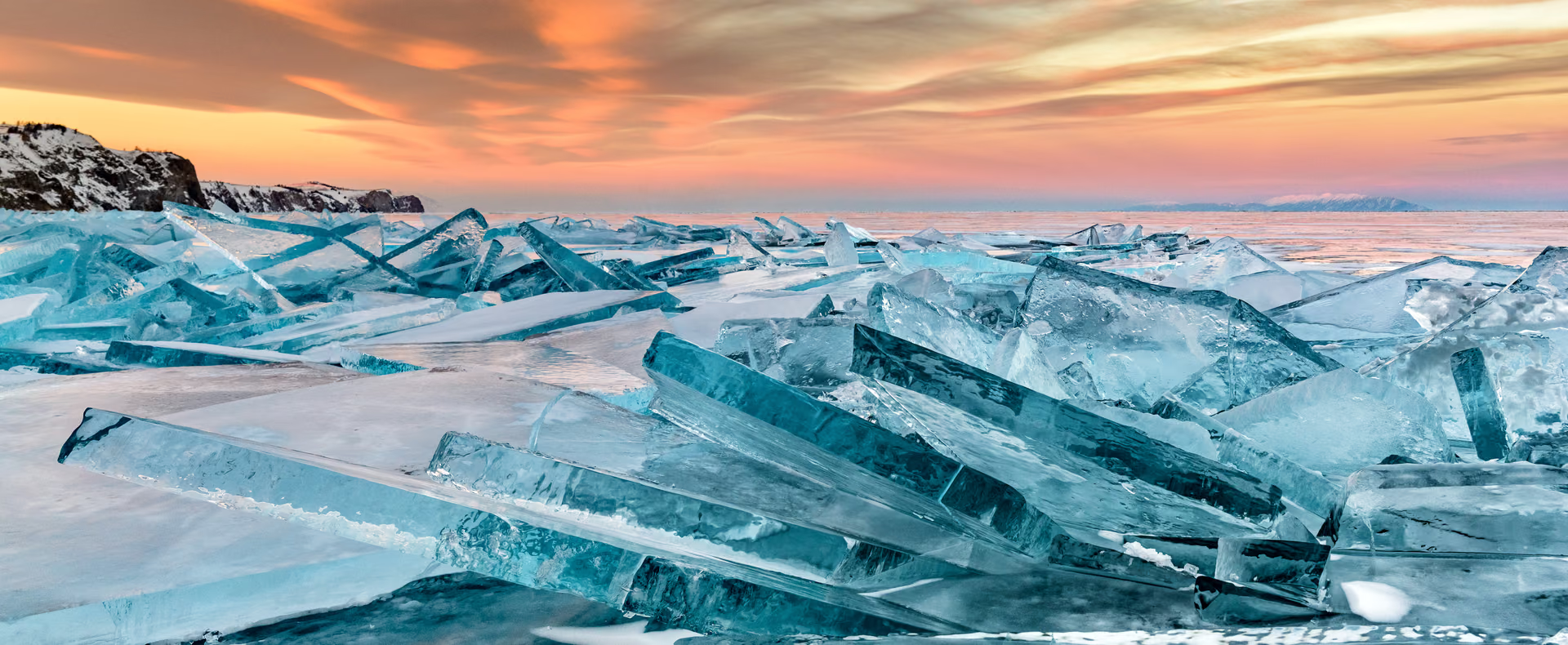
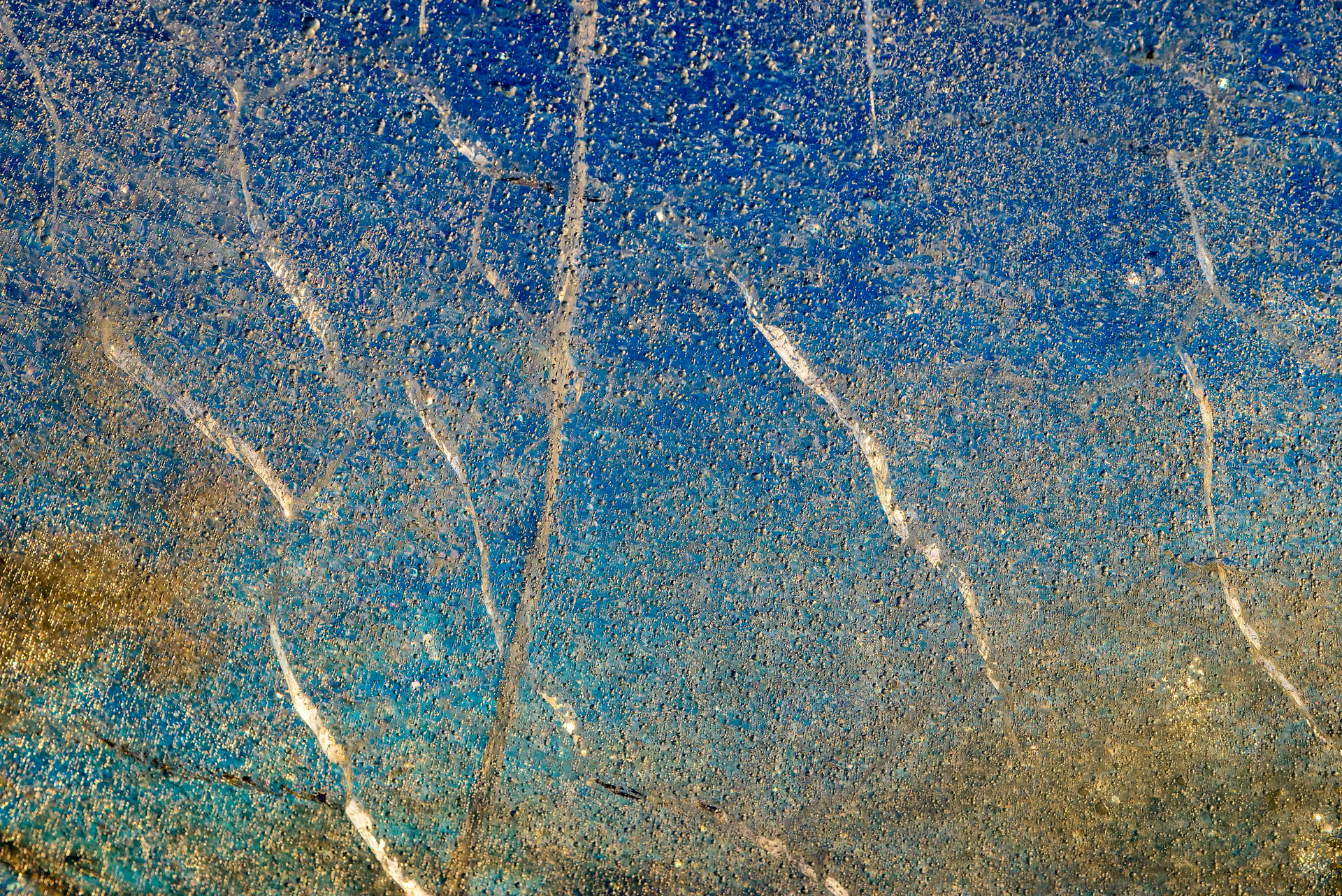
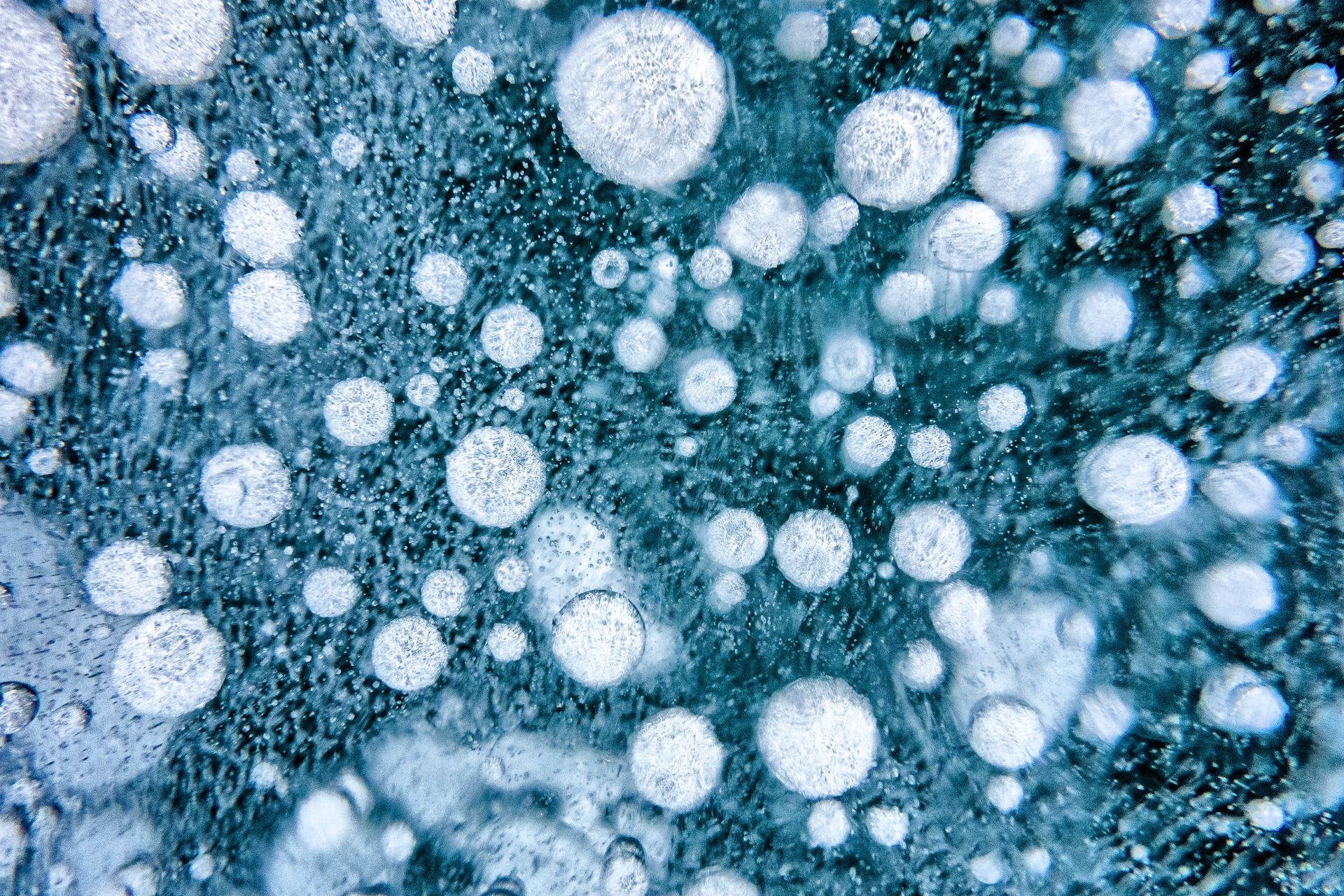
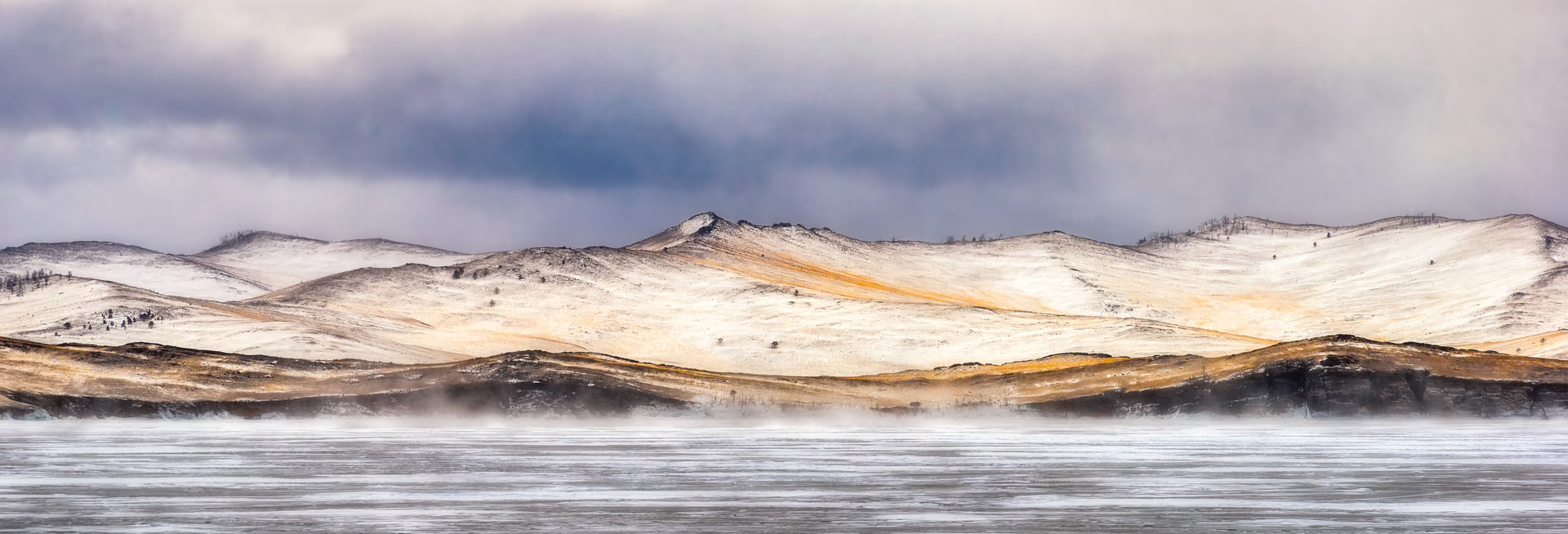
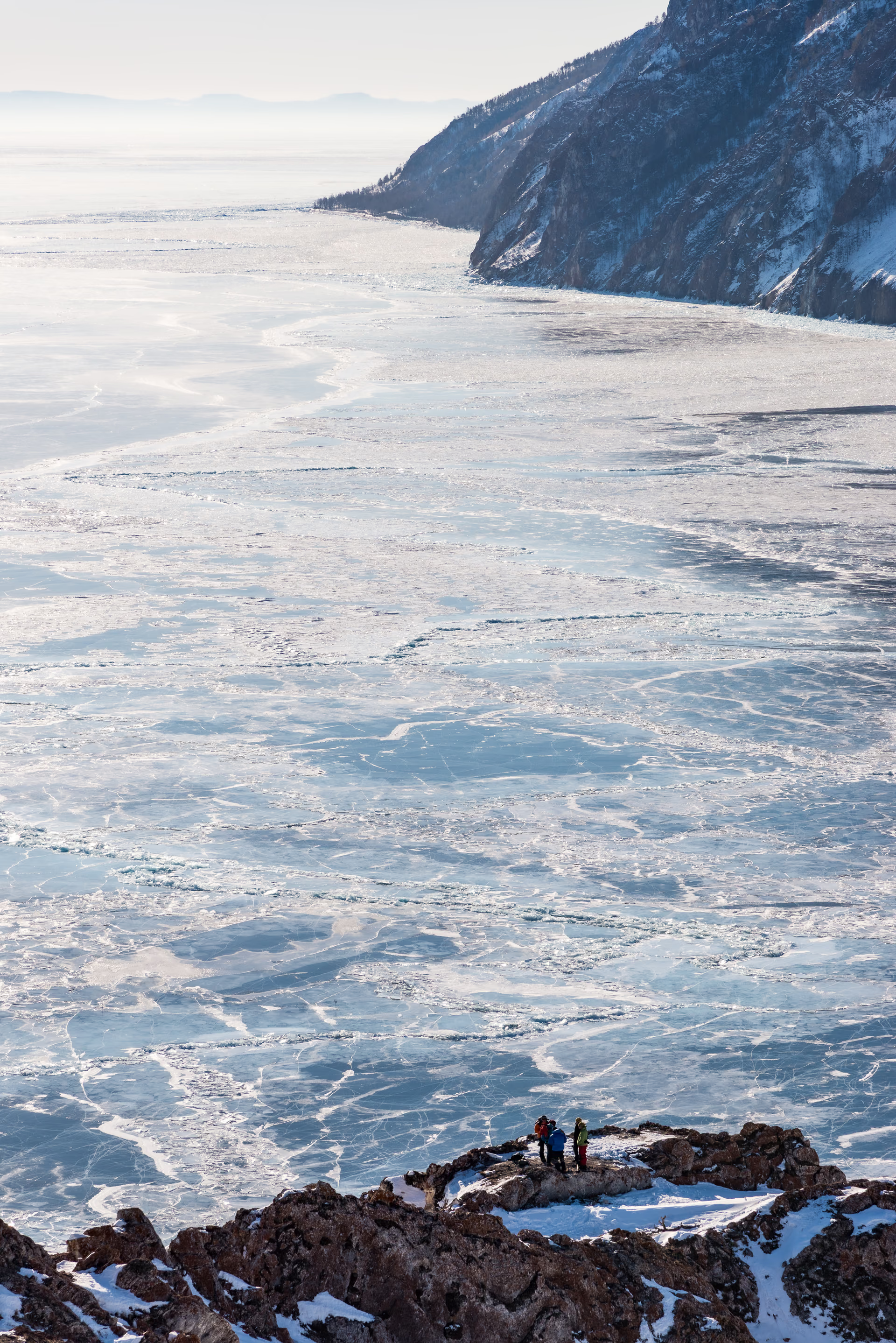
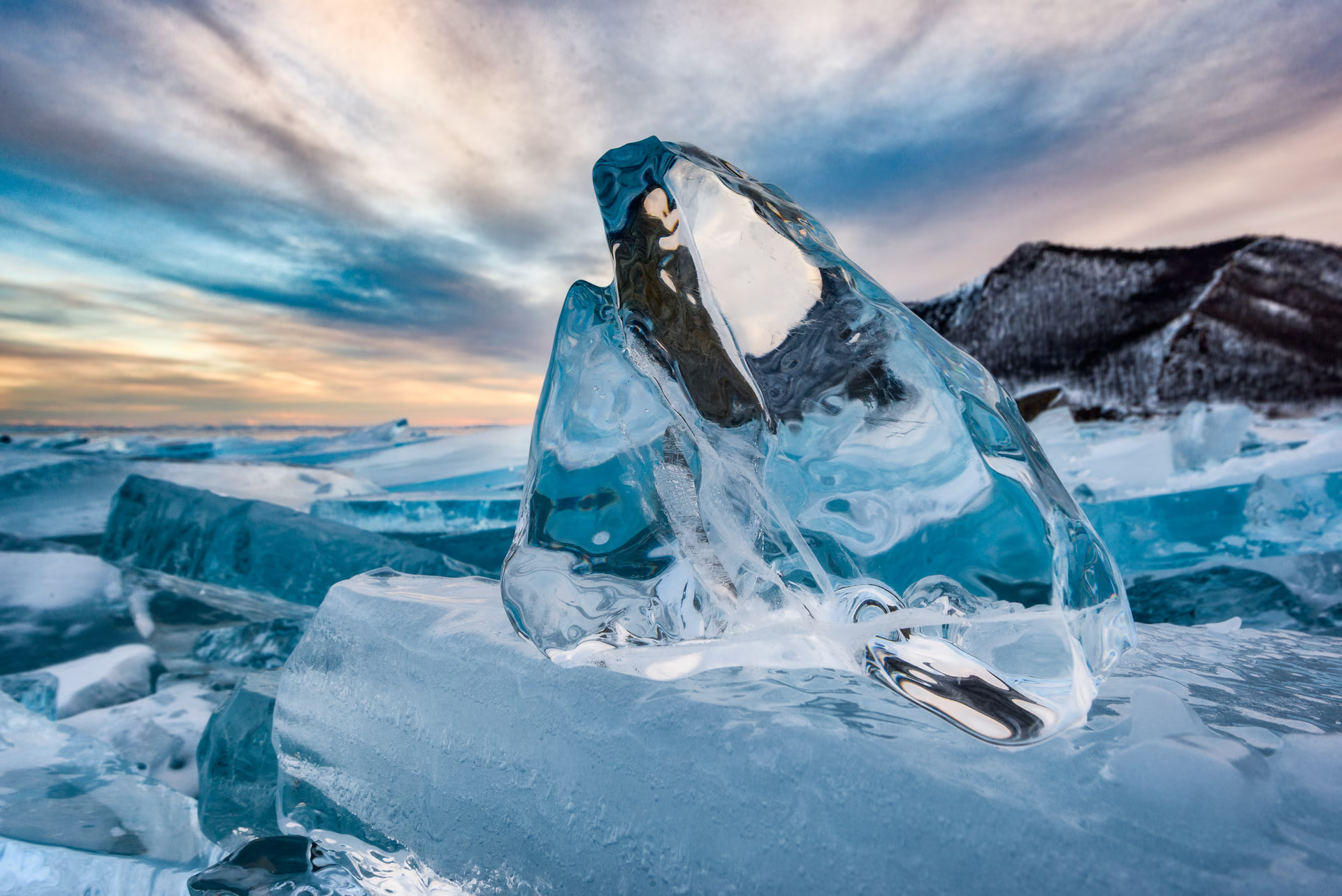
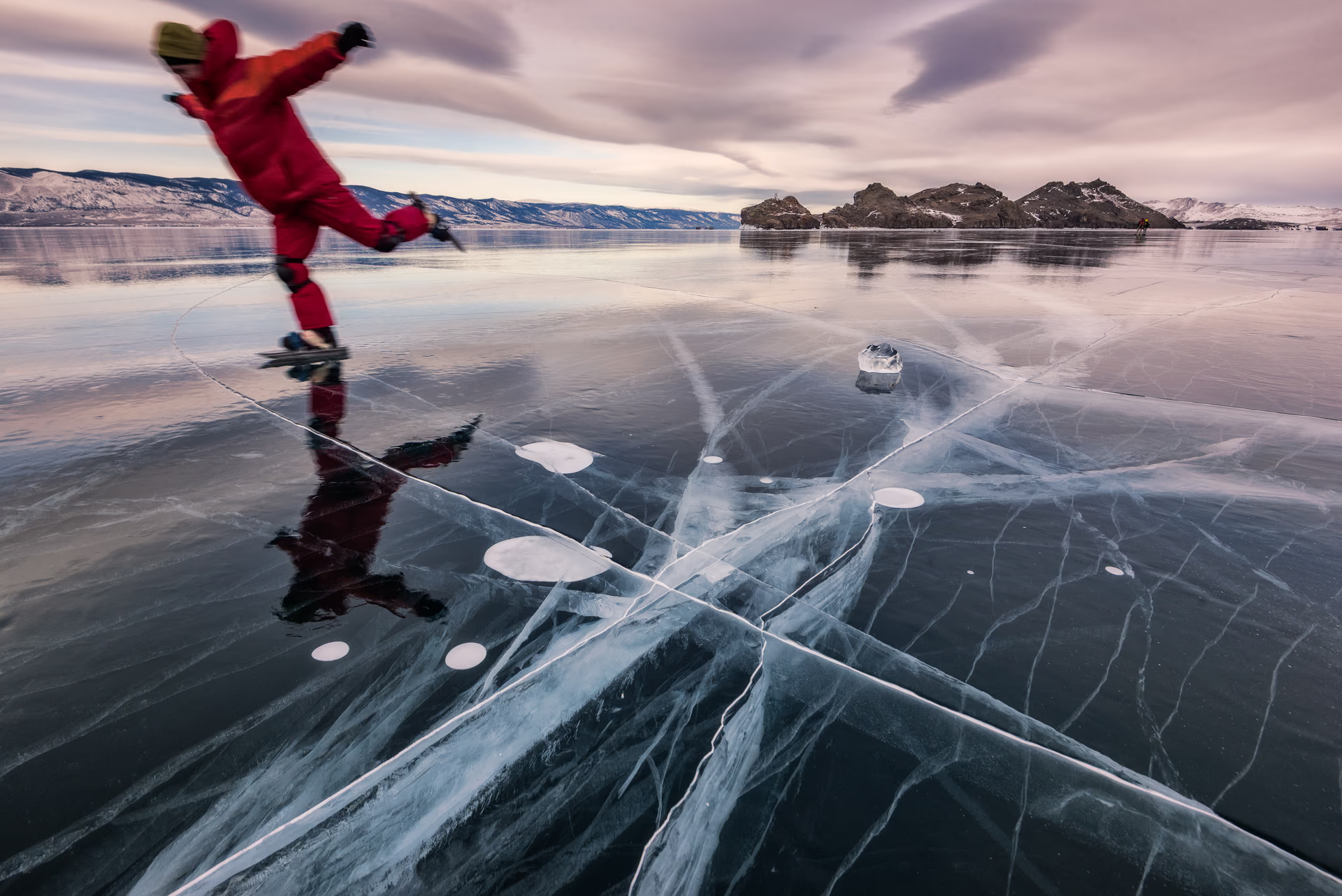
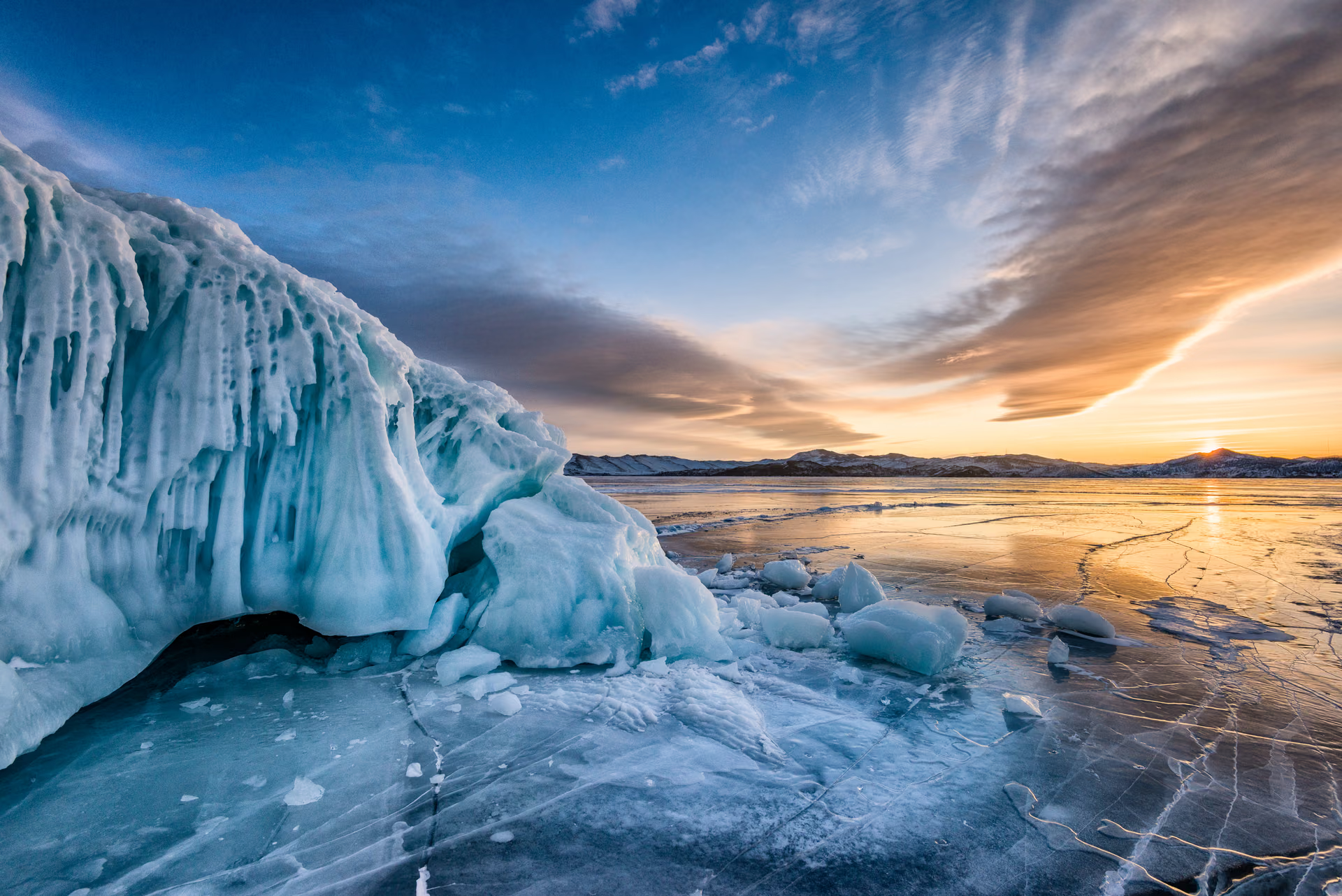
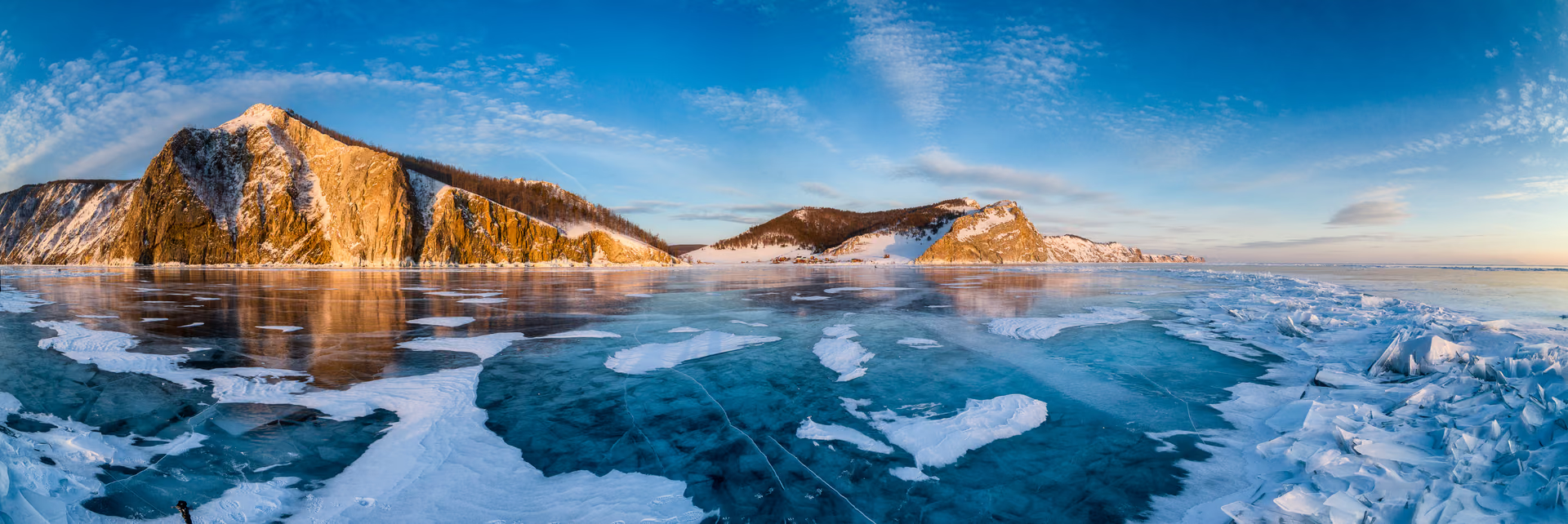
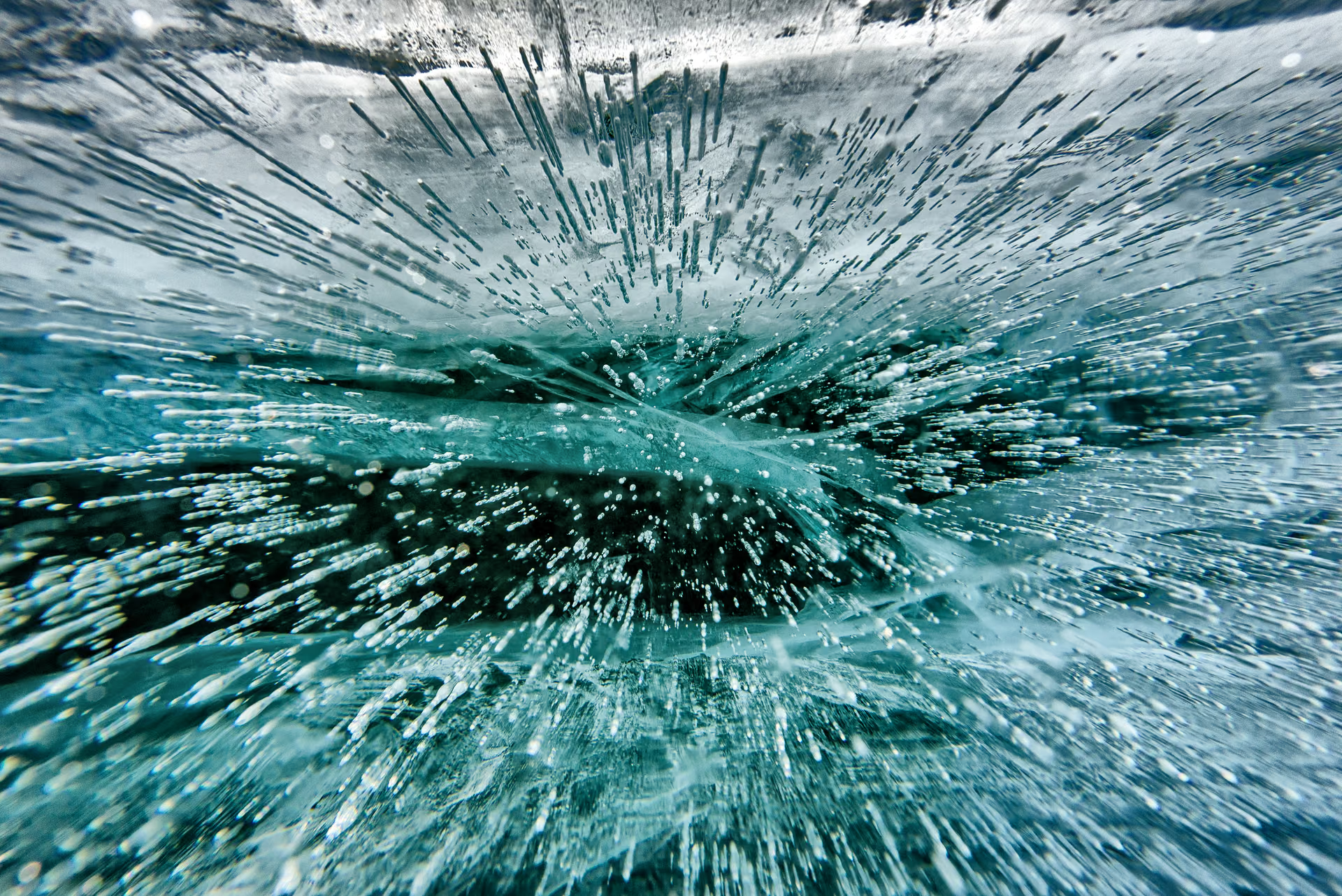
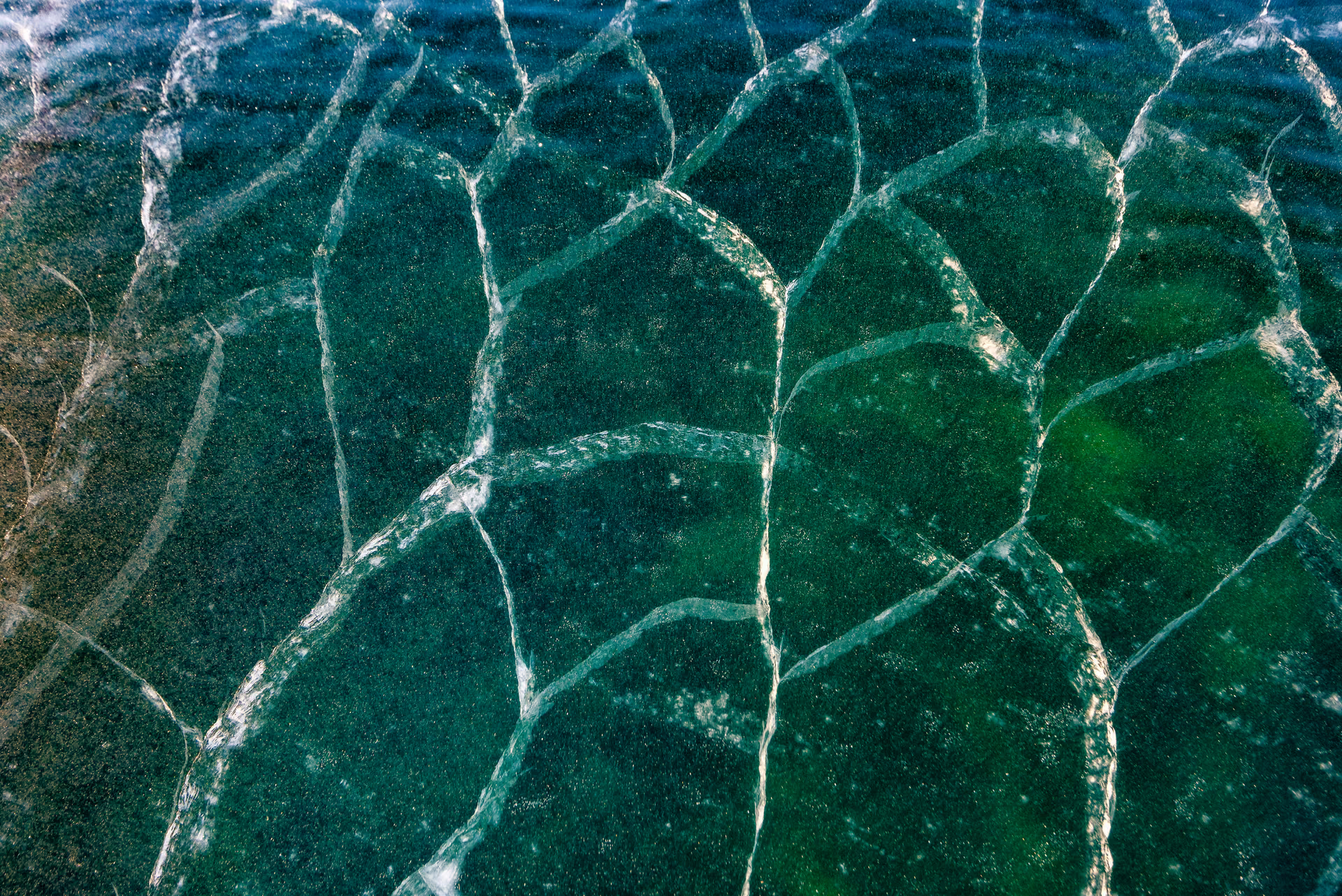
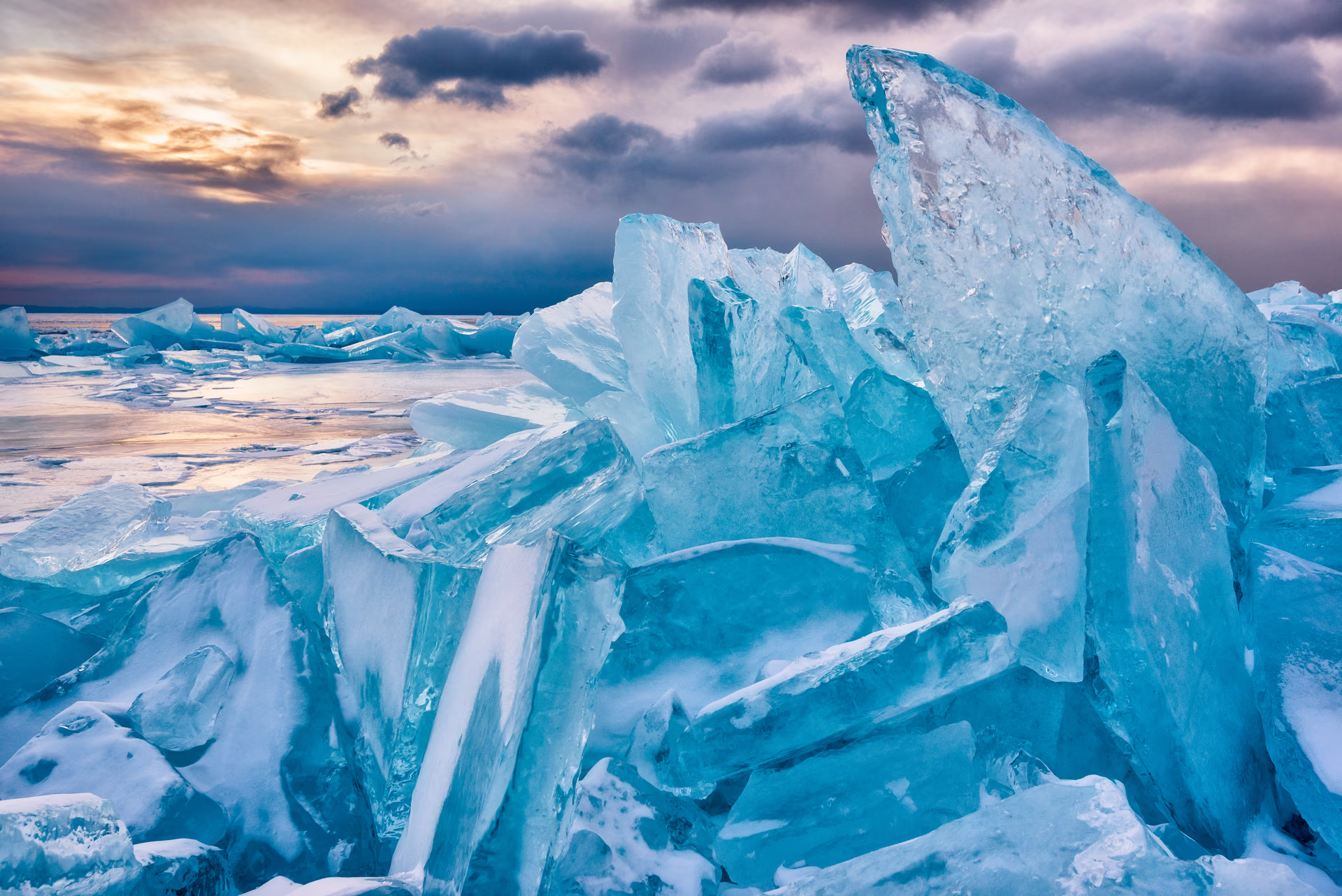
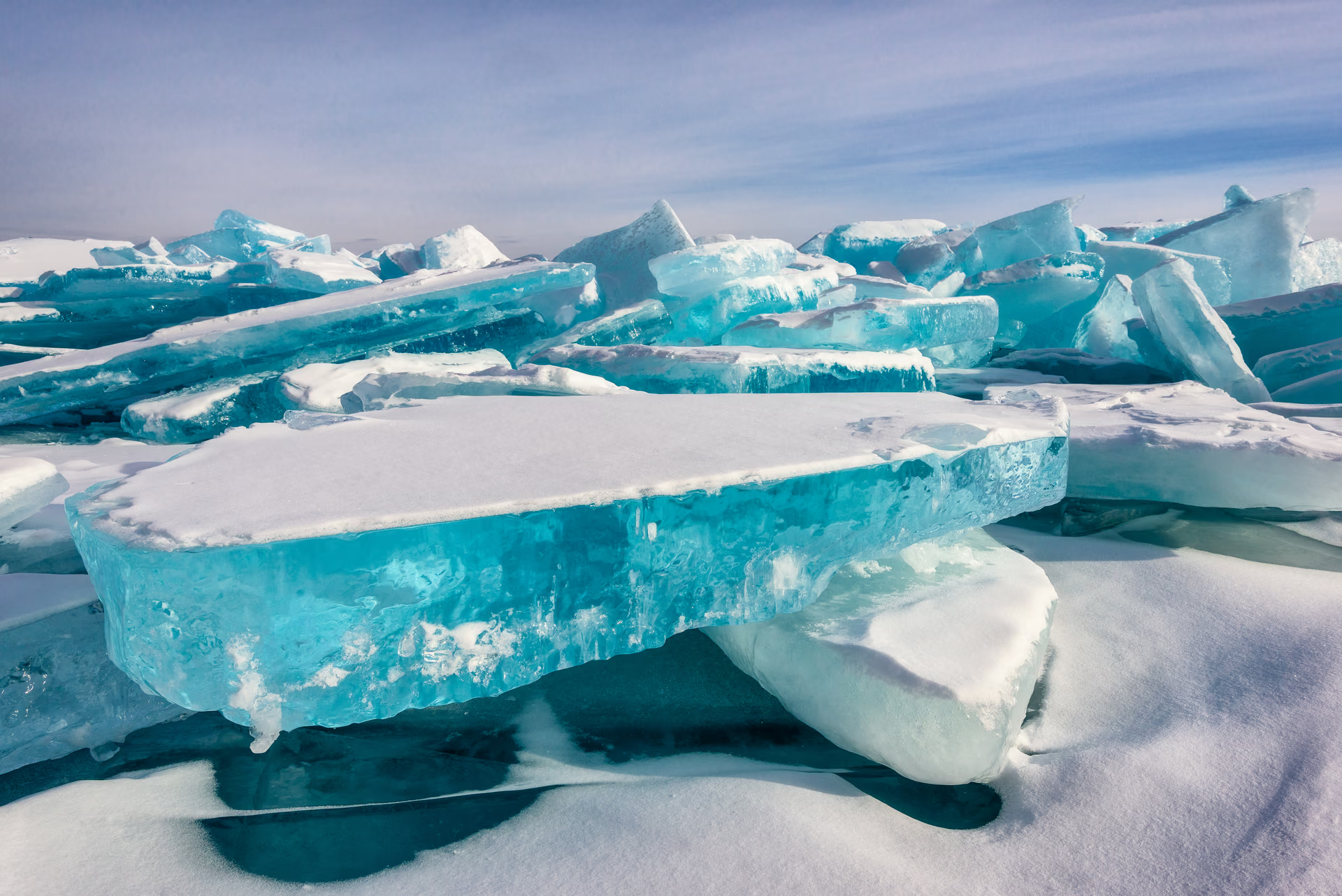
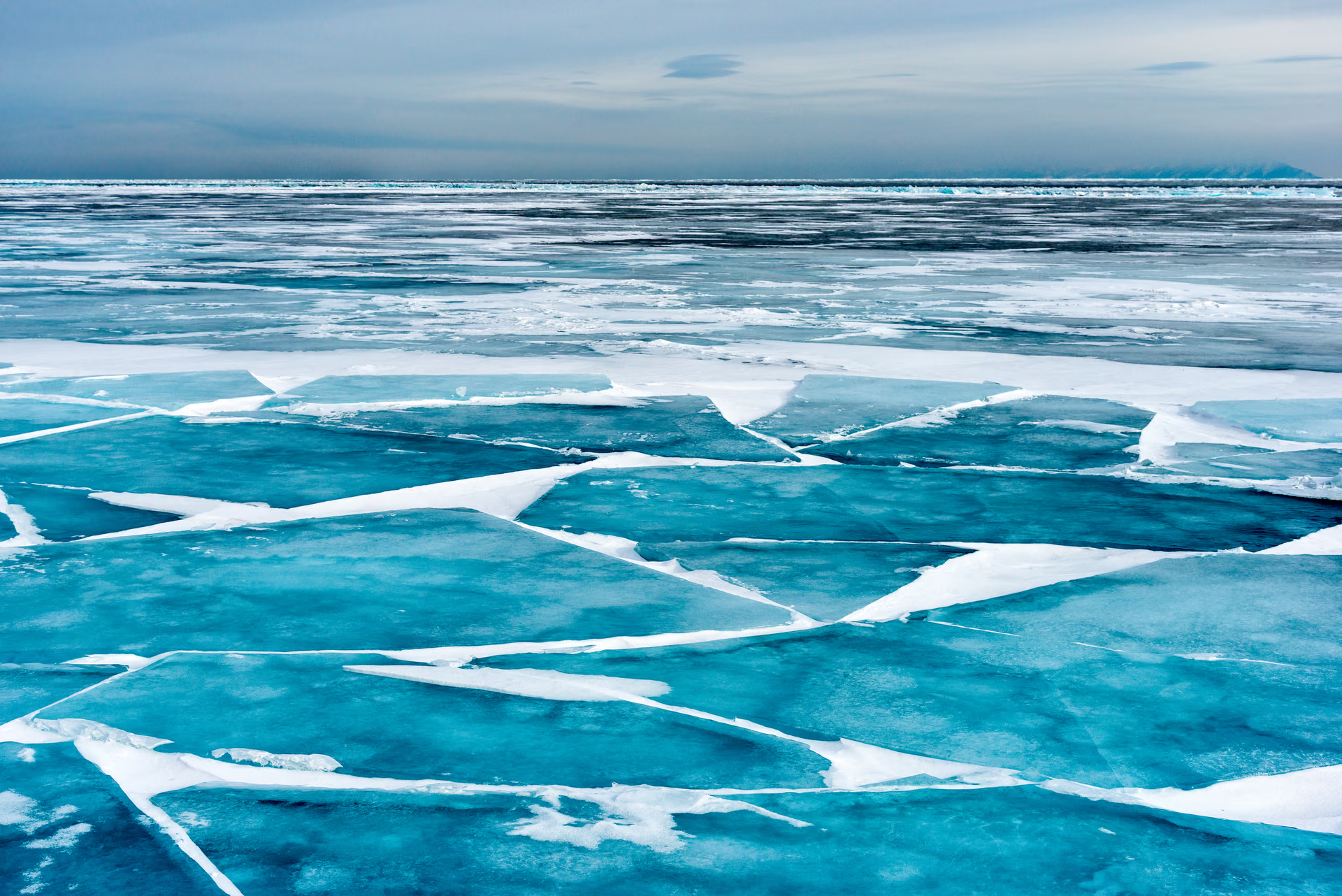
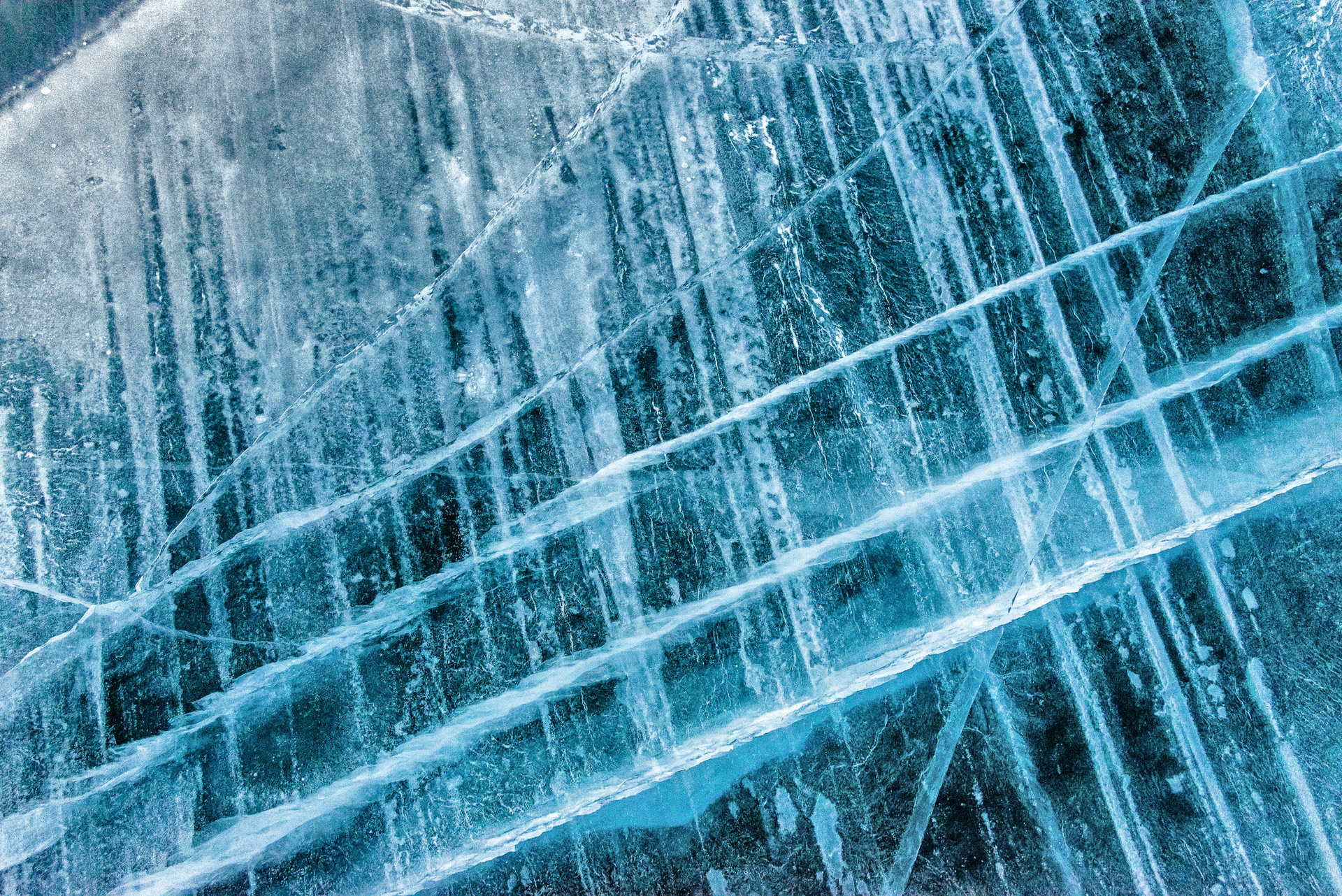
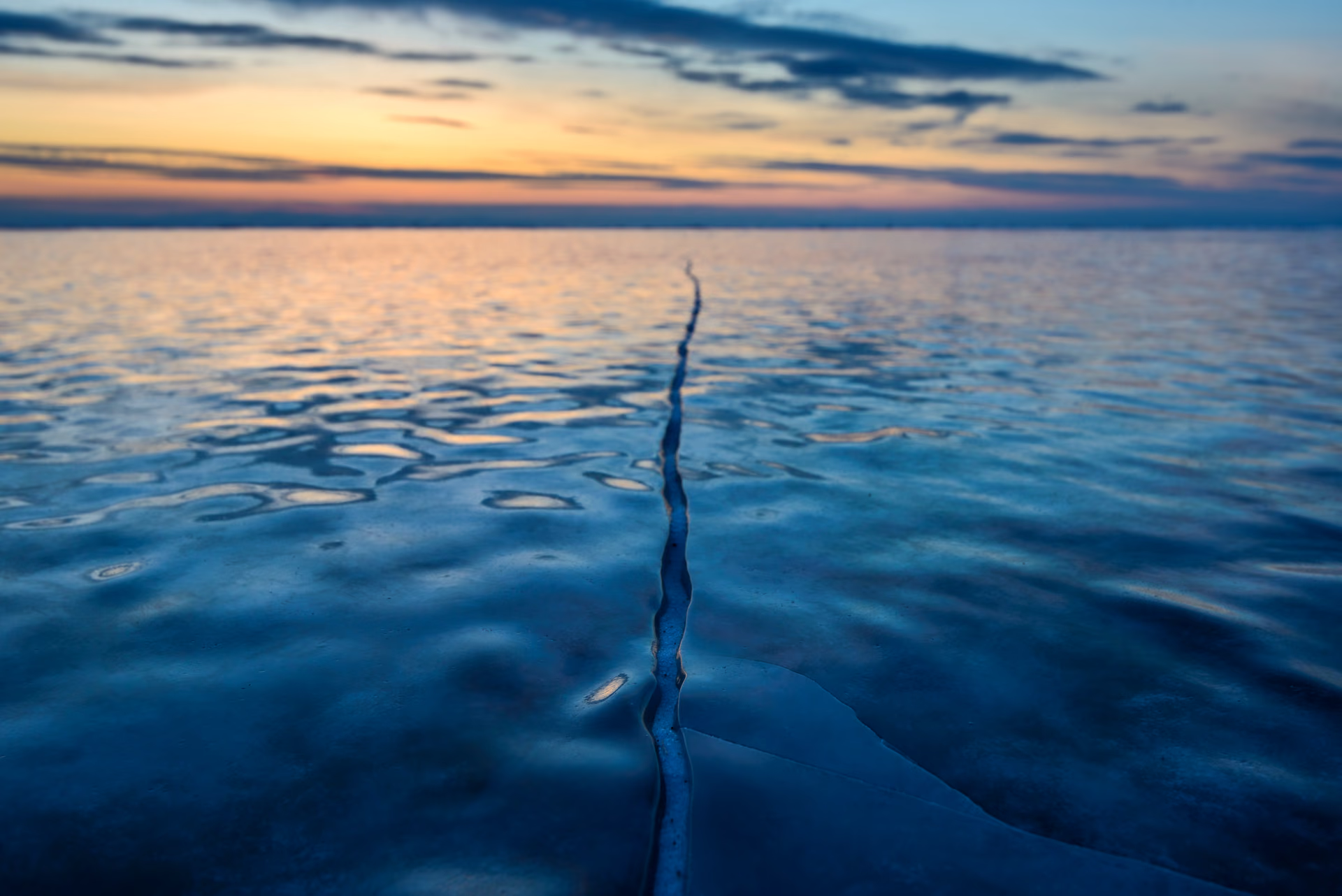
From a lake holding a fifth of the planet's fresh water, to a fracture the width of a hair. From the silence of reflected sunset light to the sound of ice breaking underfoot. There is form here, and there is texture; there is a human figure caught inside that scale, and there is pure abstraction, where the ice stops being recognizable and becomes only light and line.
Each frame looks at Baikal differently — but behind all of them is the same rhythm: inhale and exhale, tension and rest.
How the series was made
- Several winters, 2016–2018
- Frost down to −45 °C
- 50 frames in the edit — 21 in the series
About the series
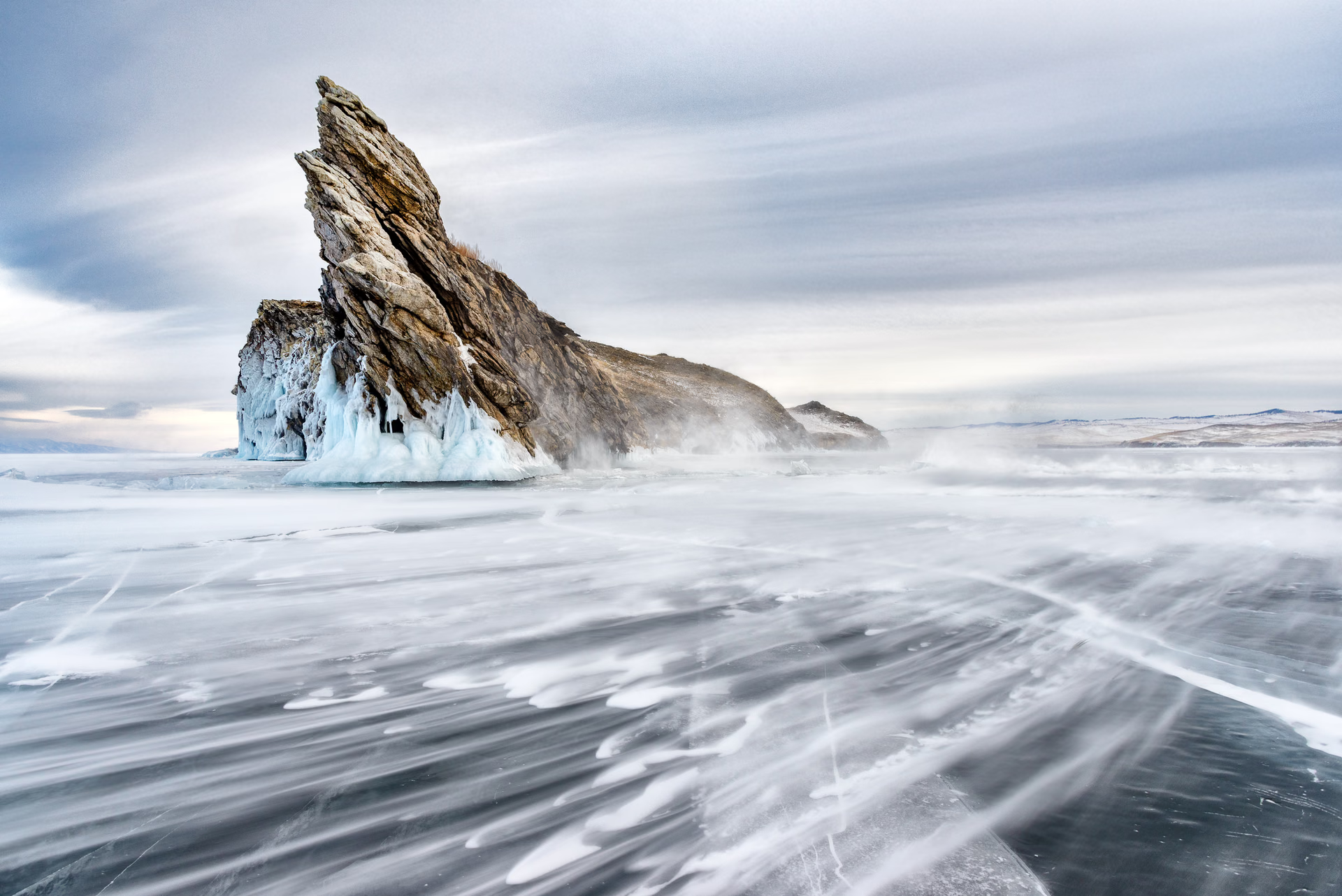
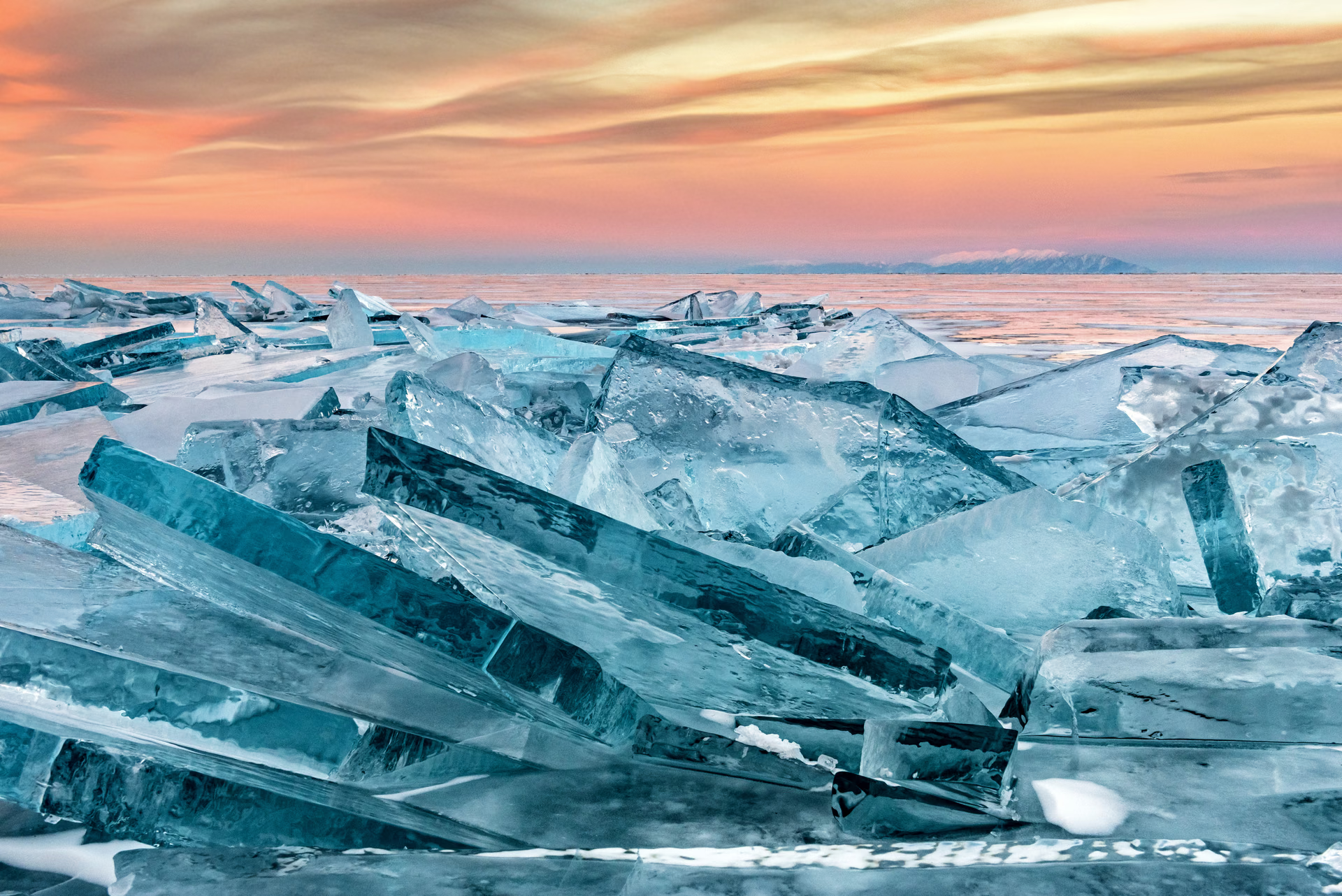
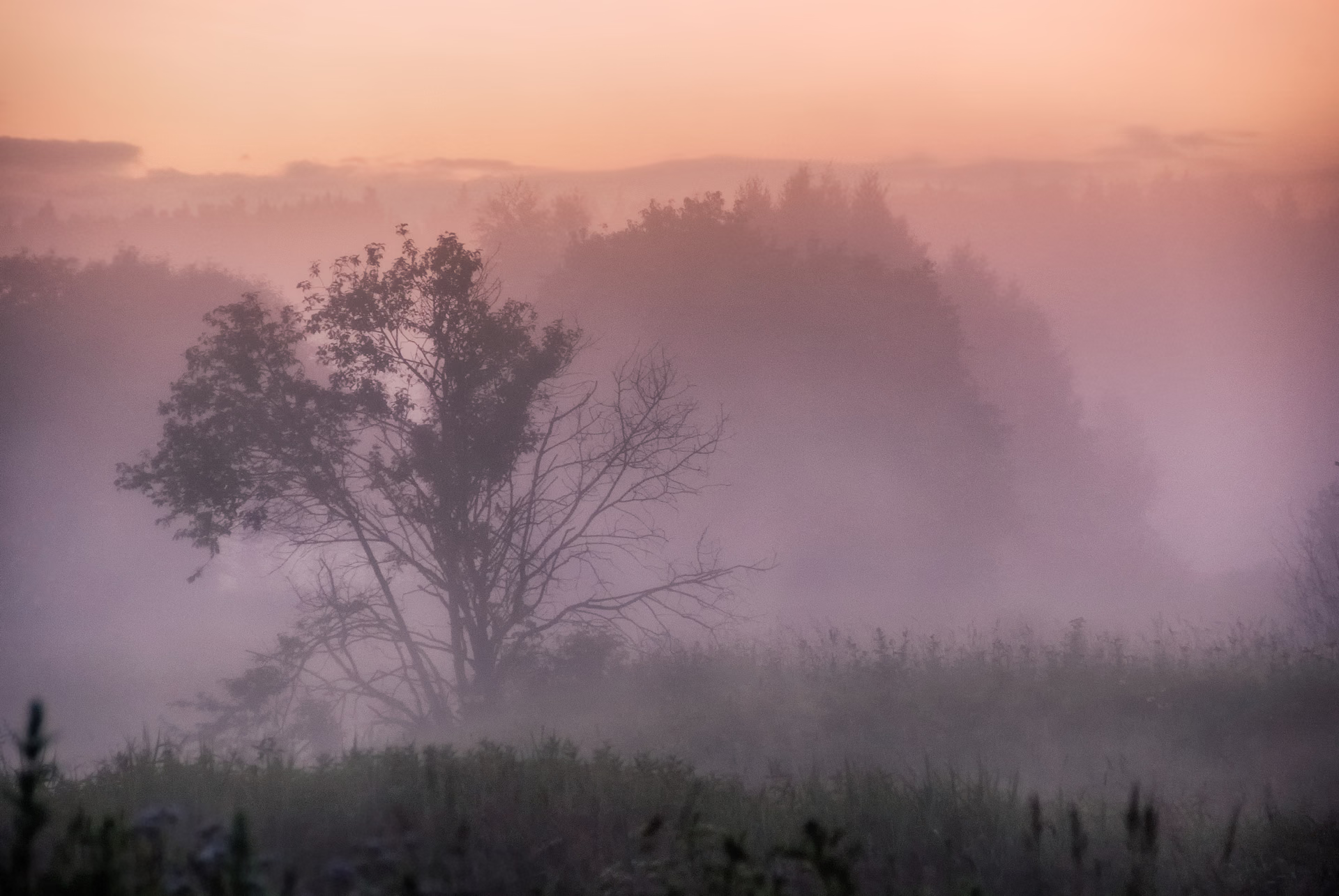
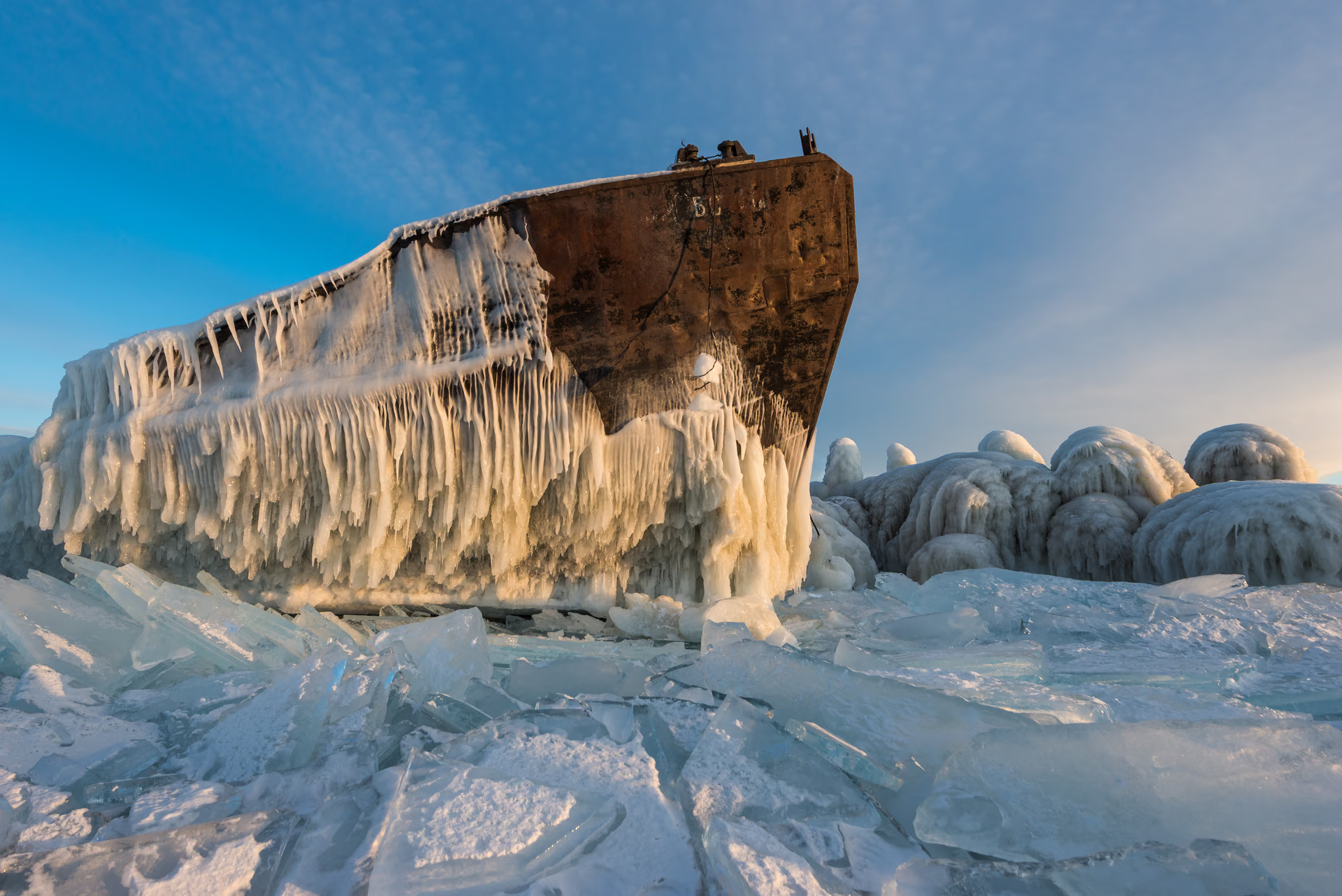
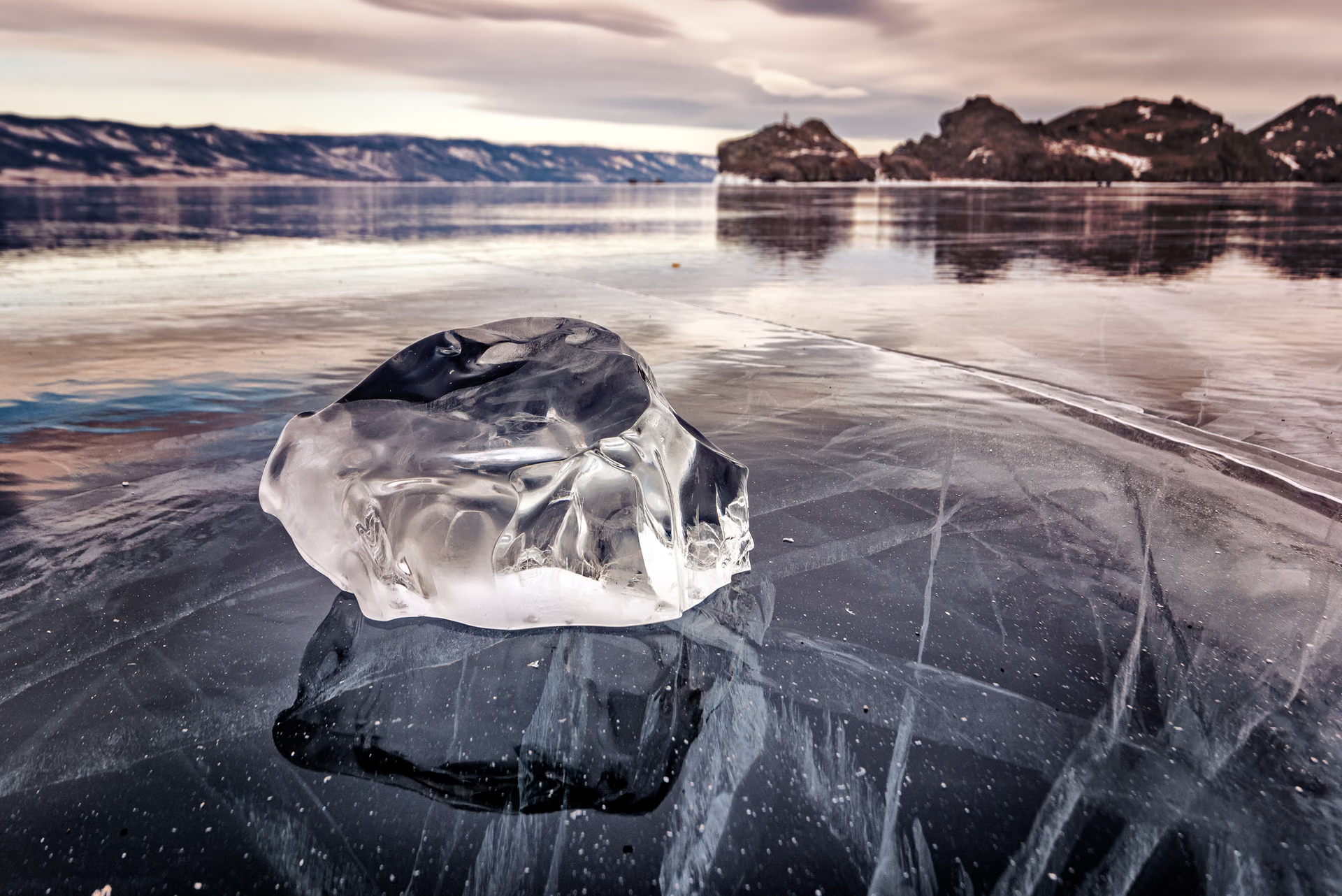
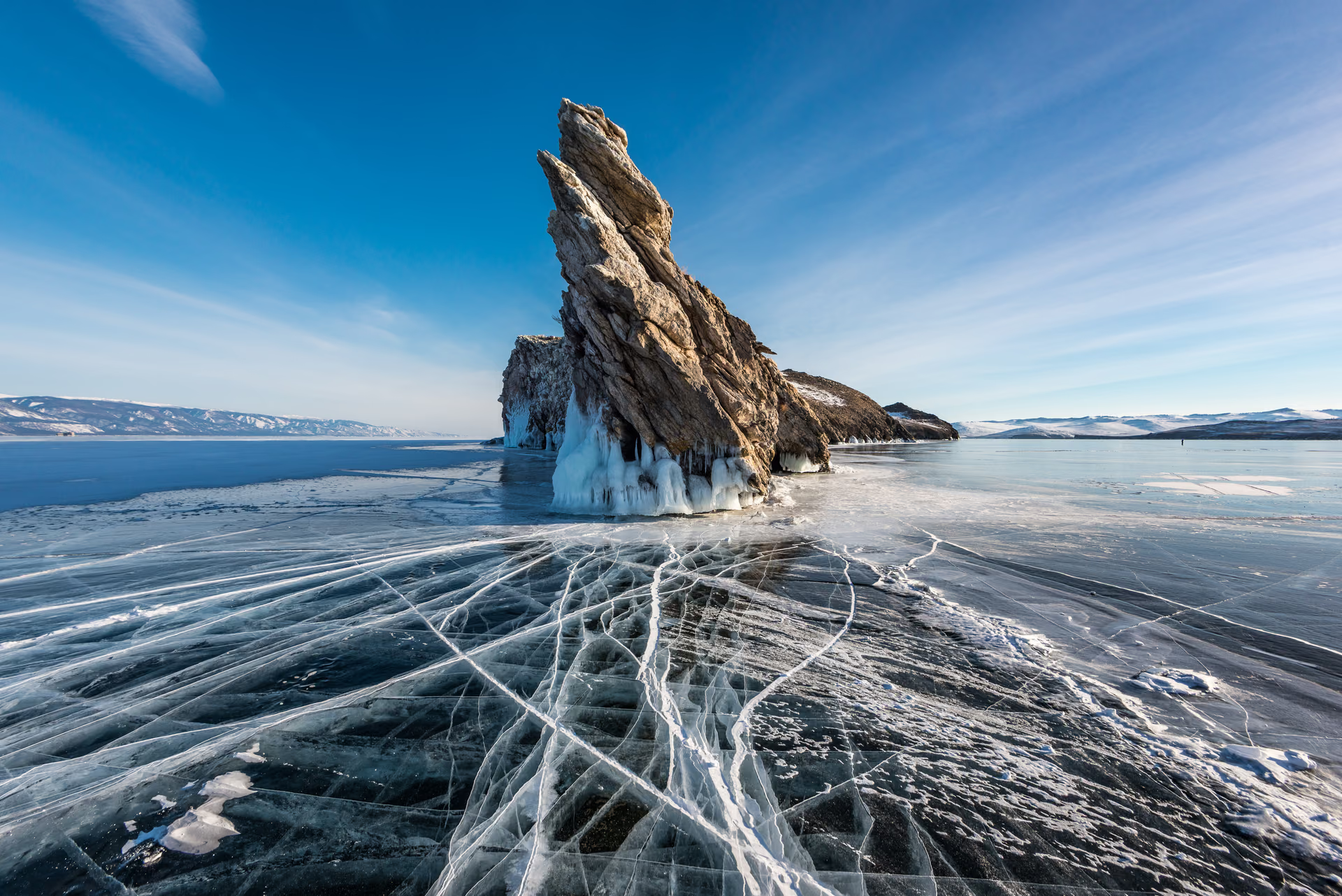
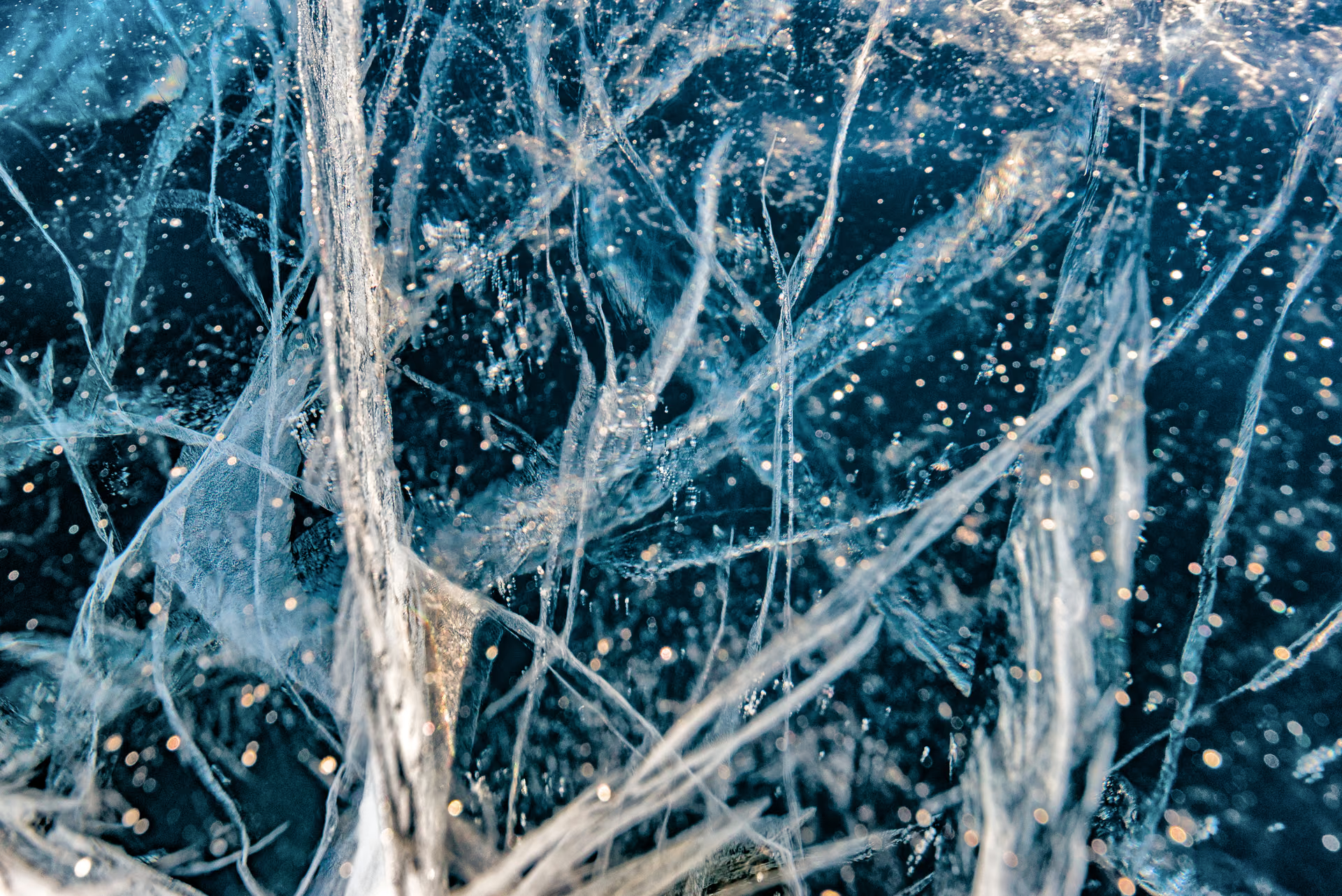
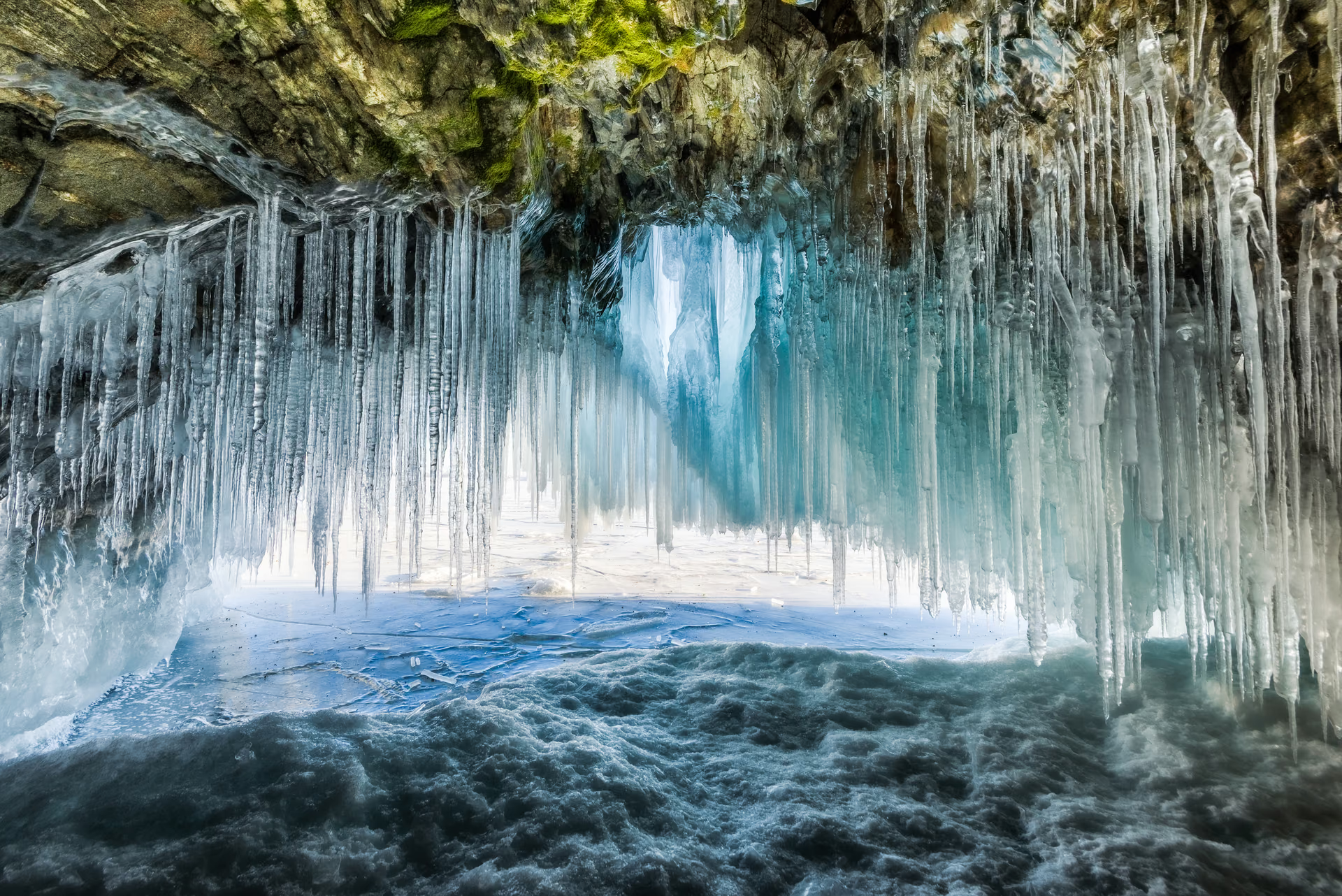
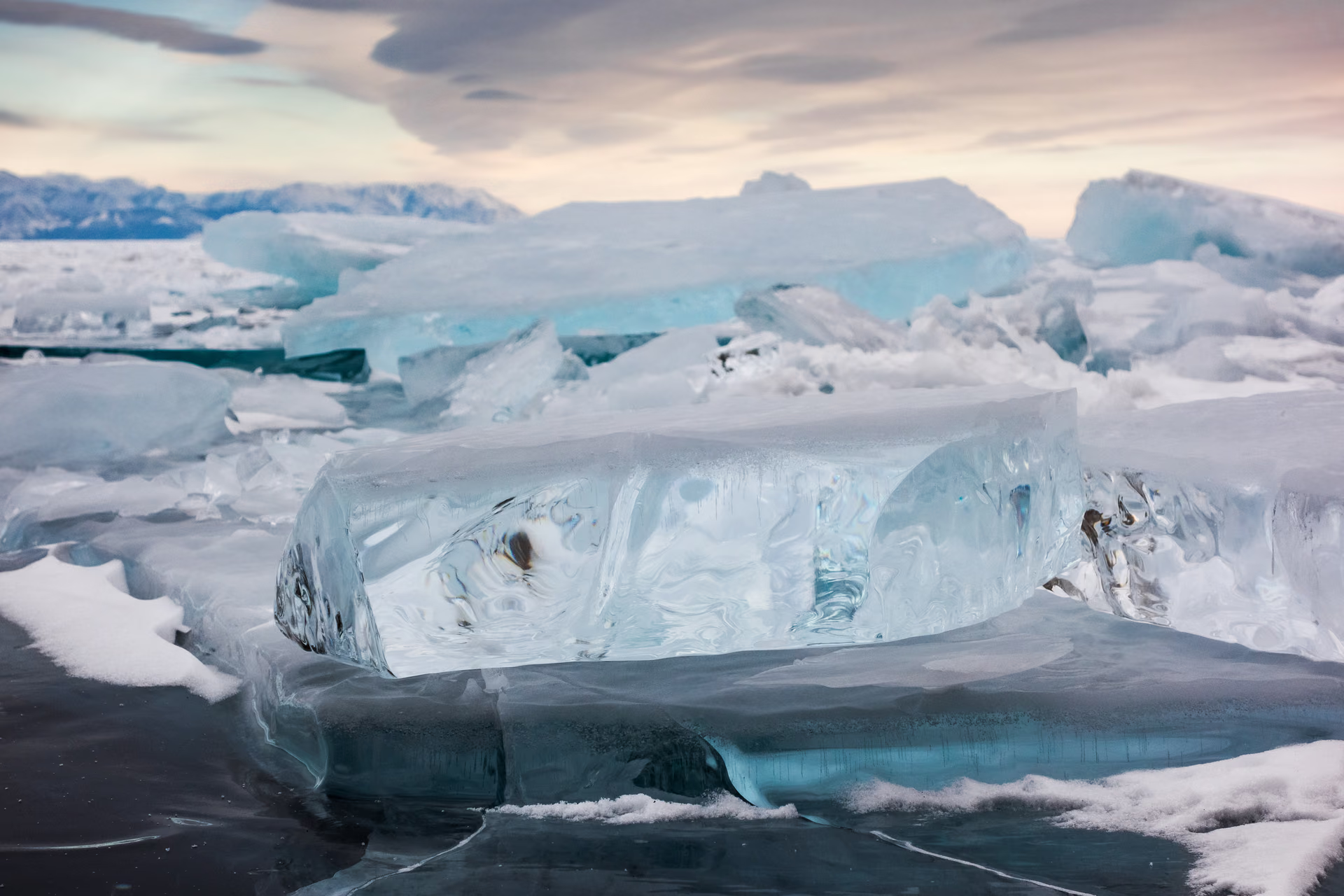
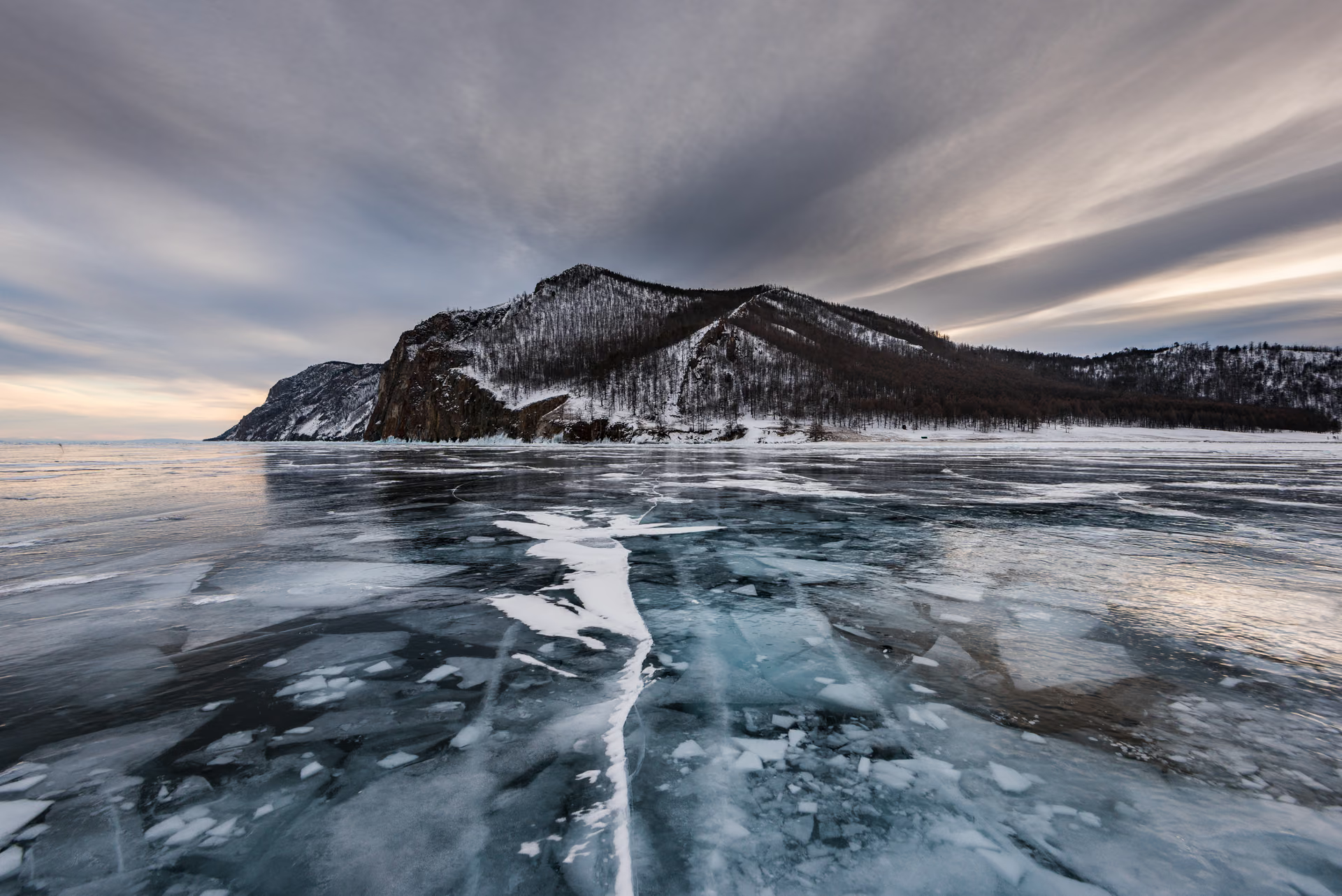
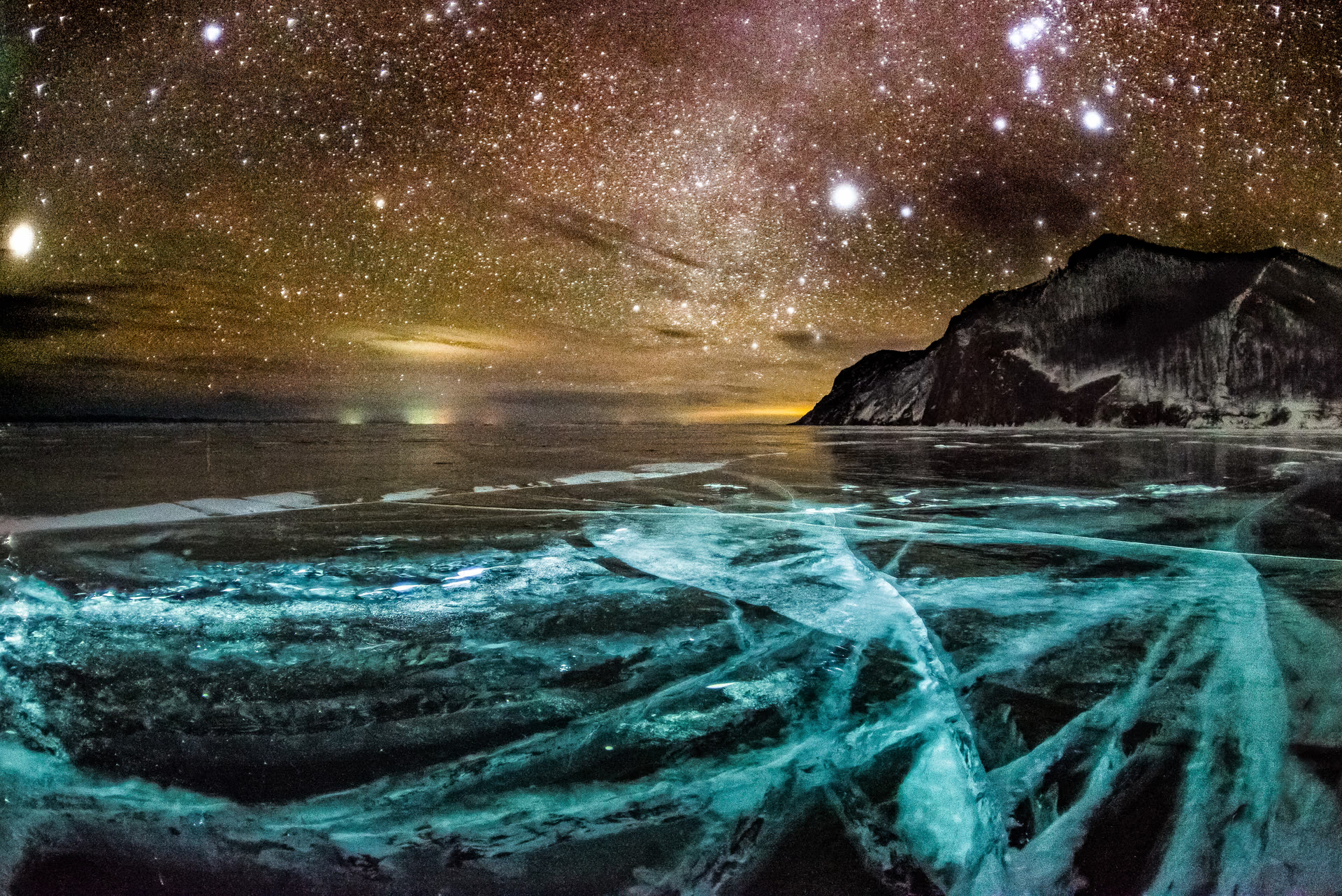
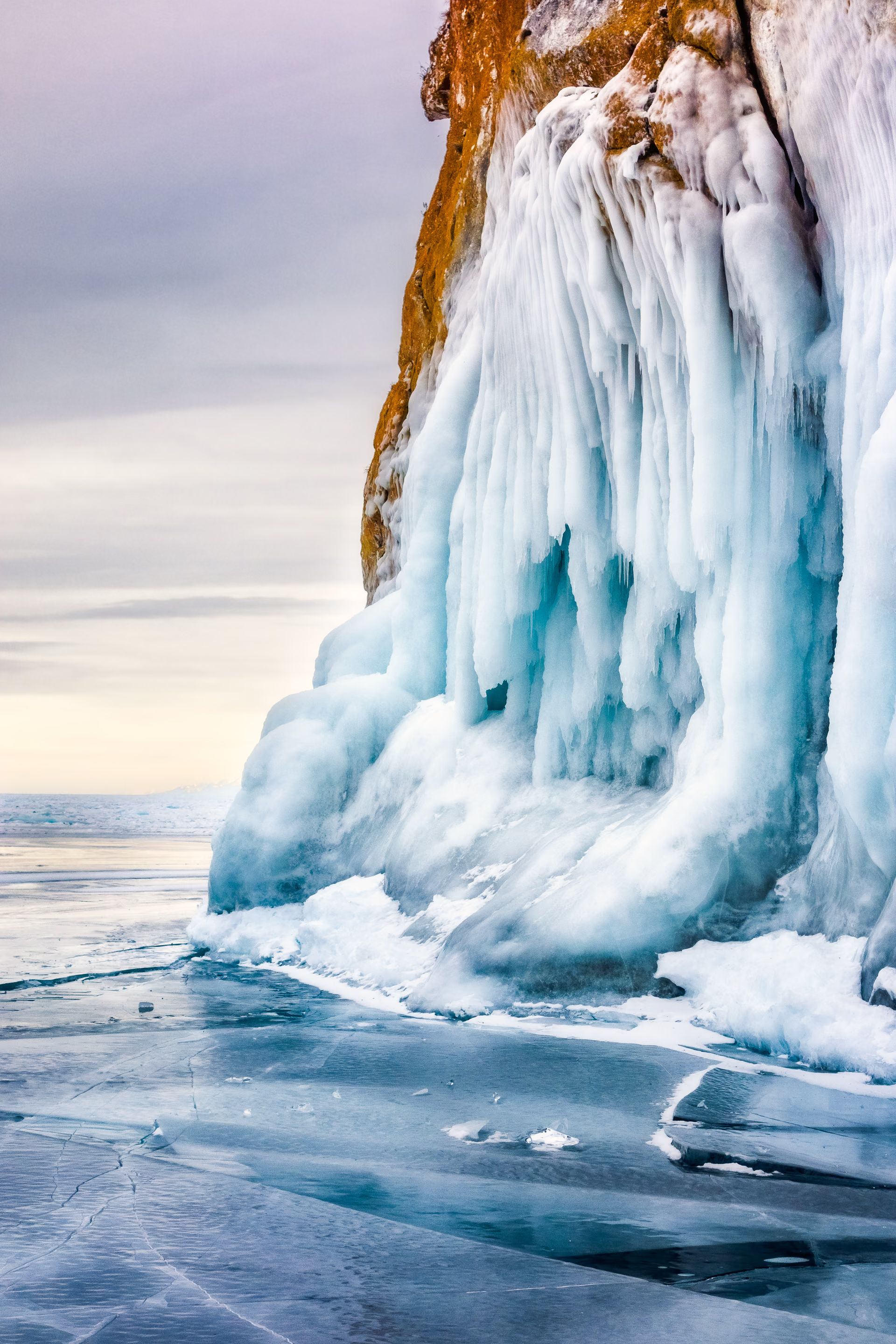
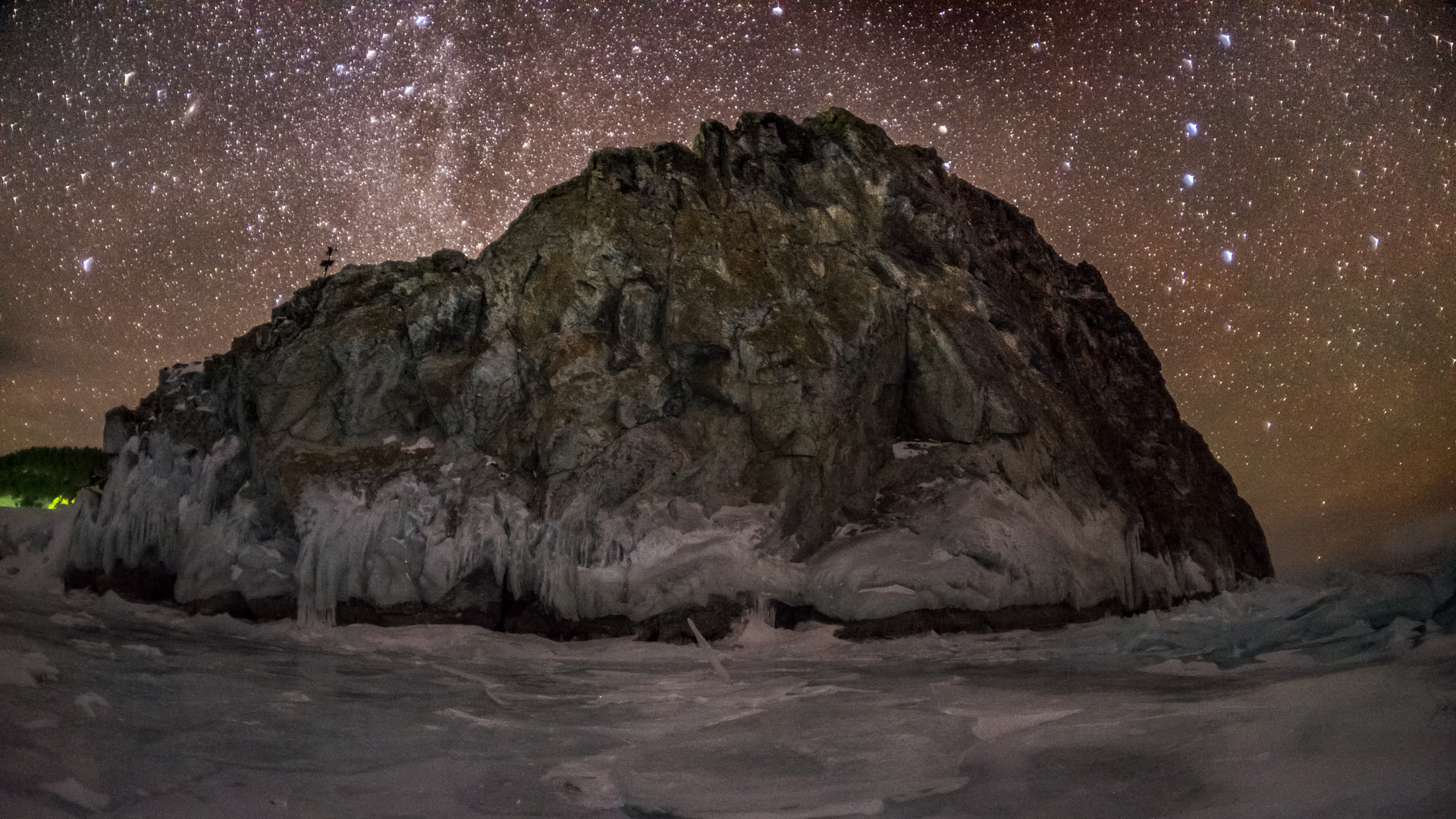
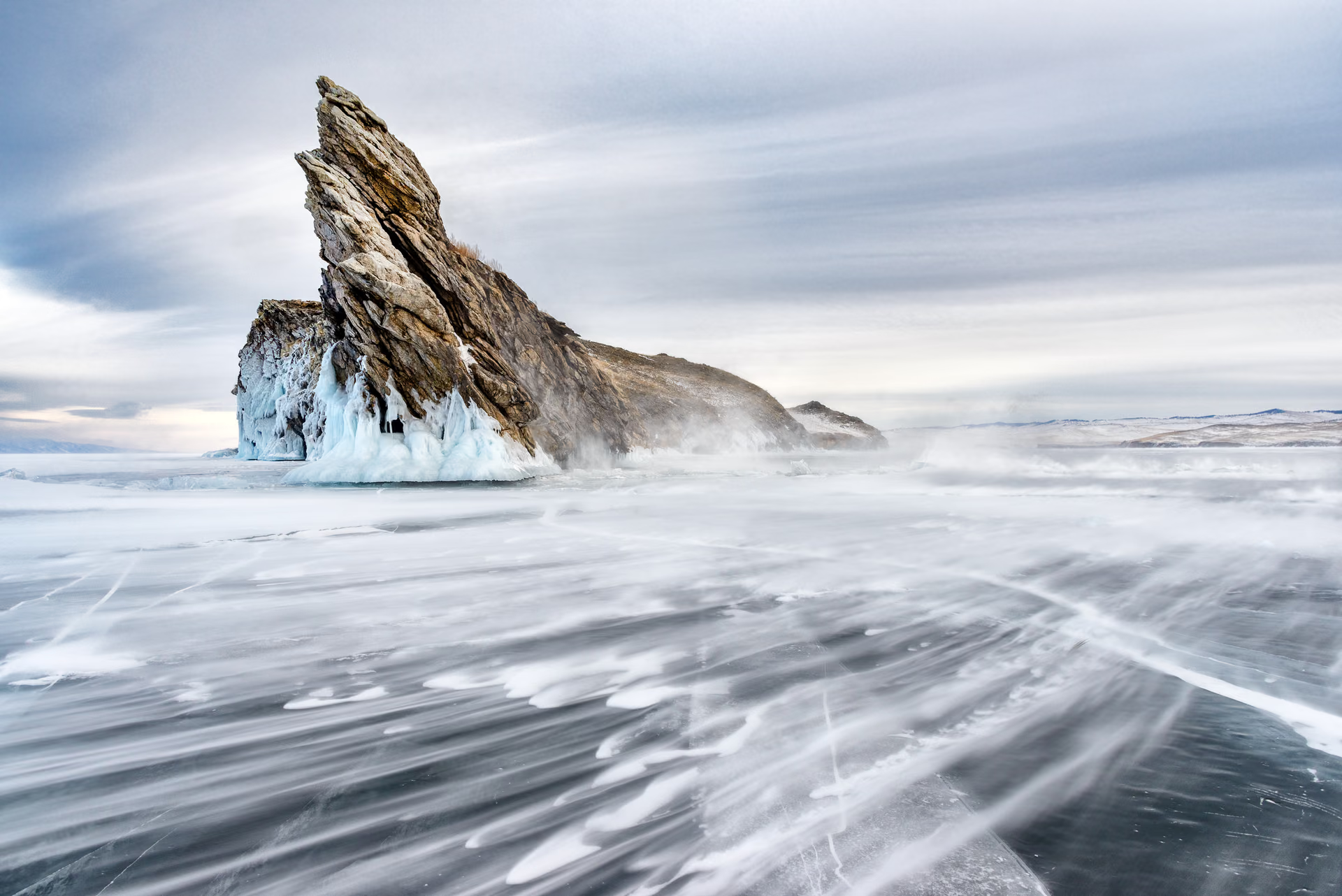
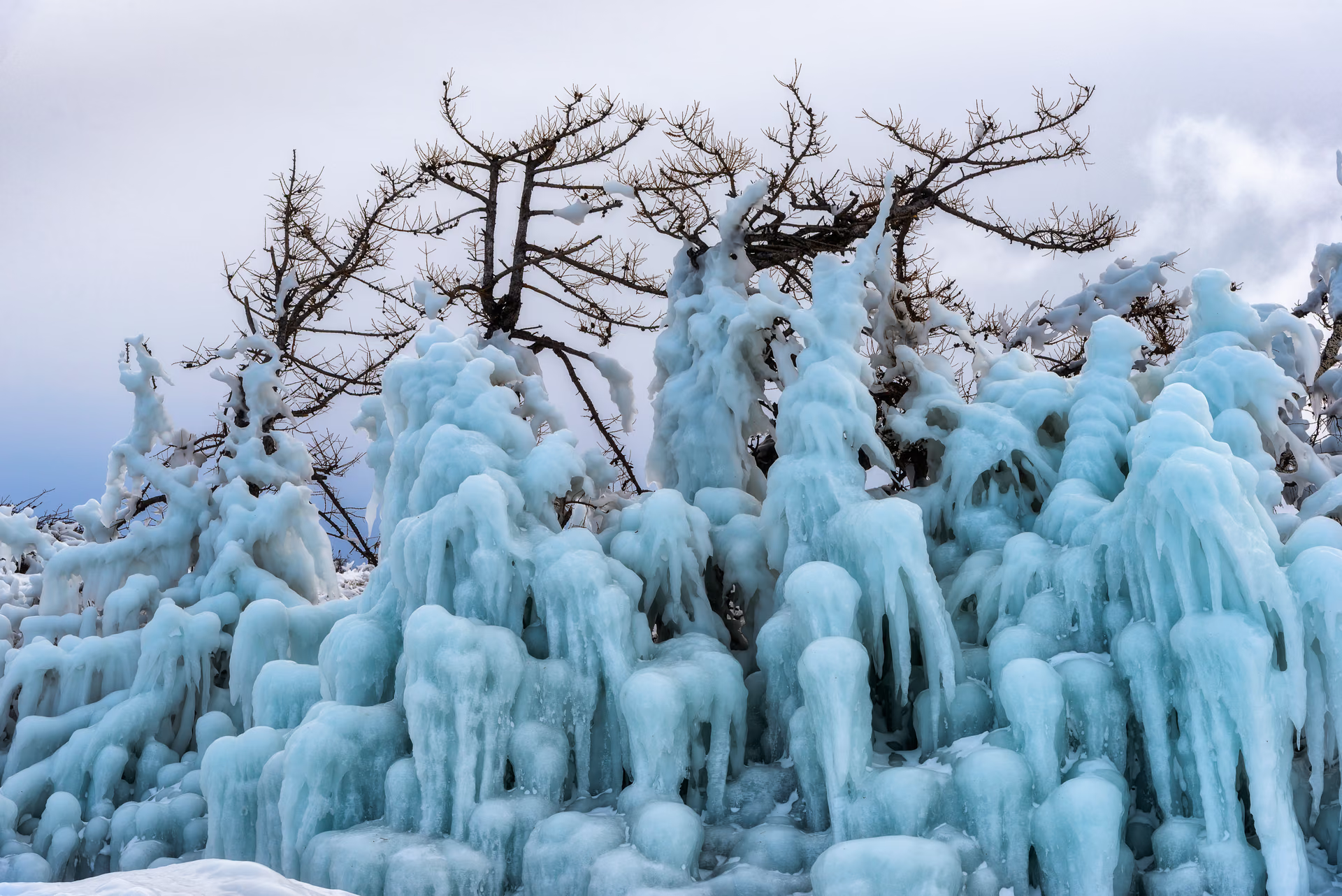
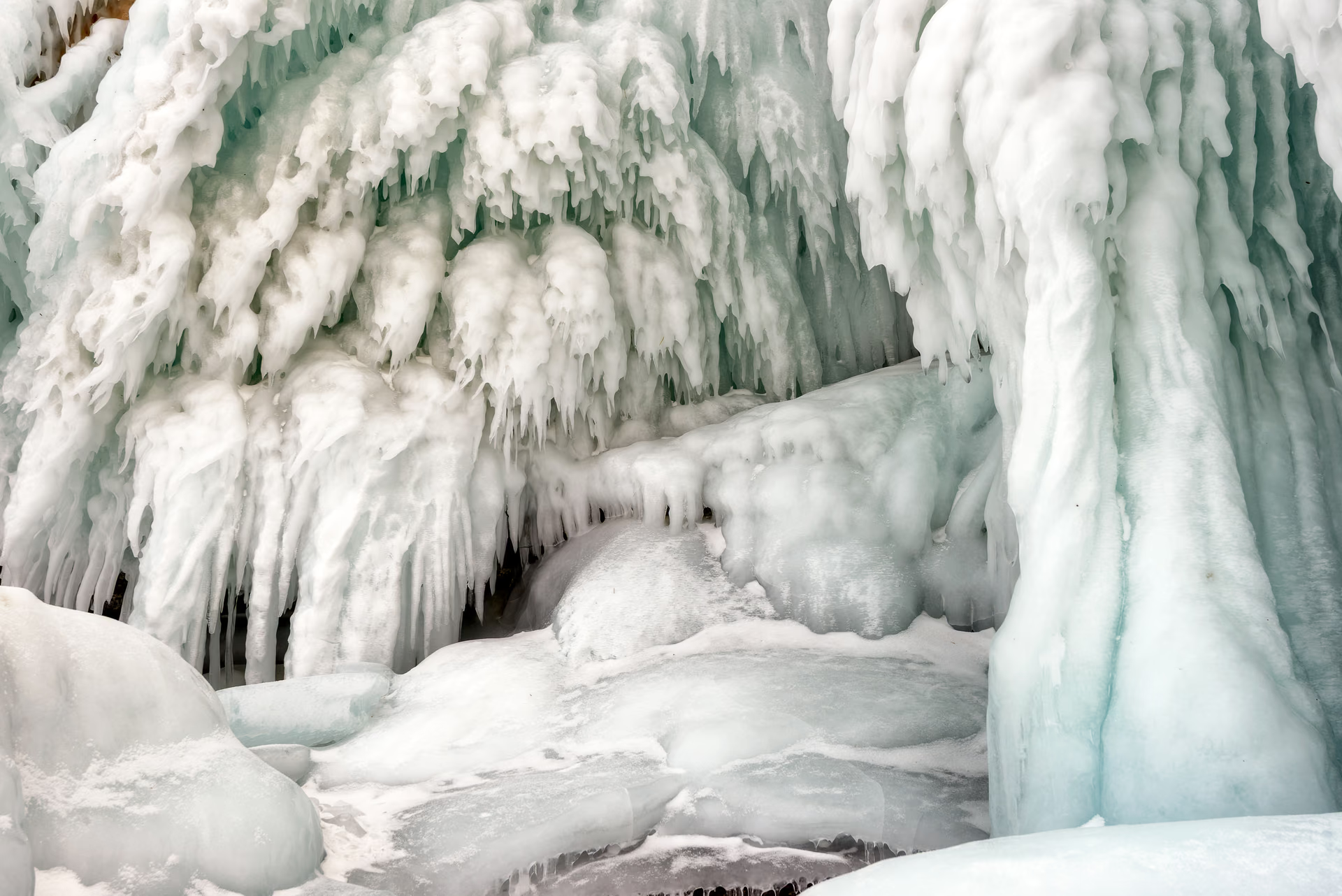
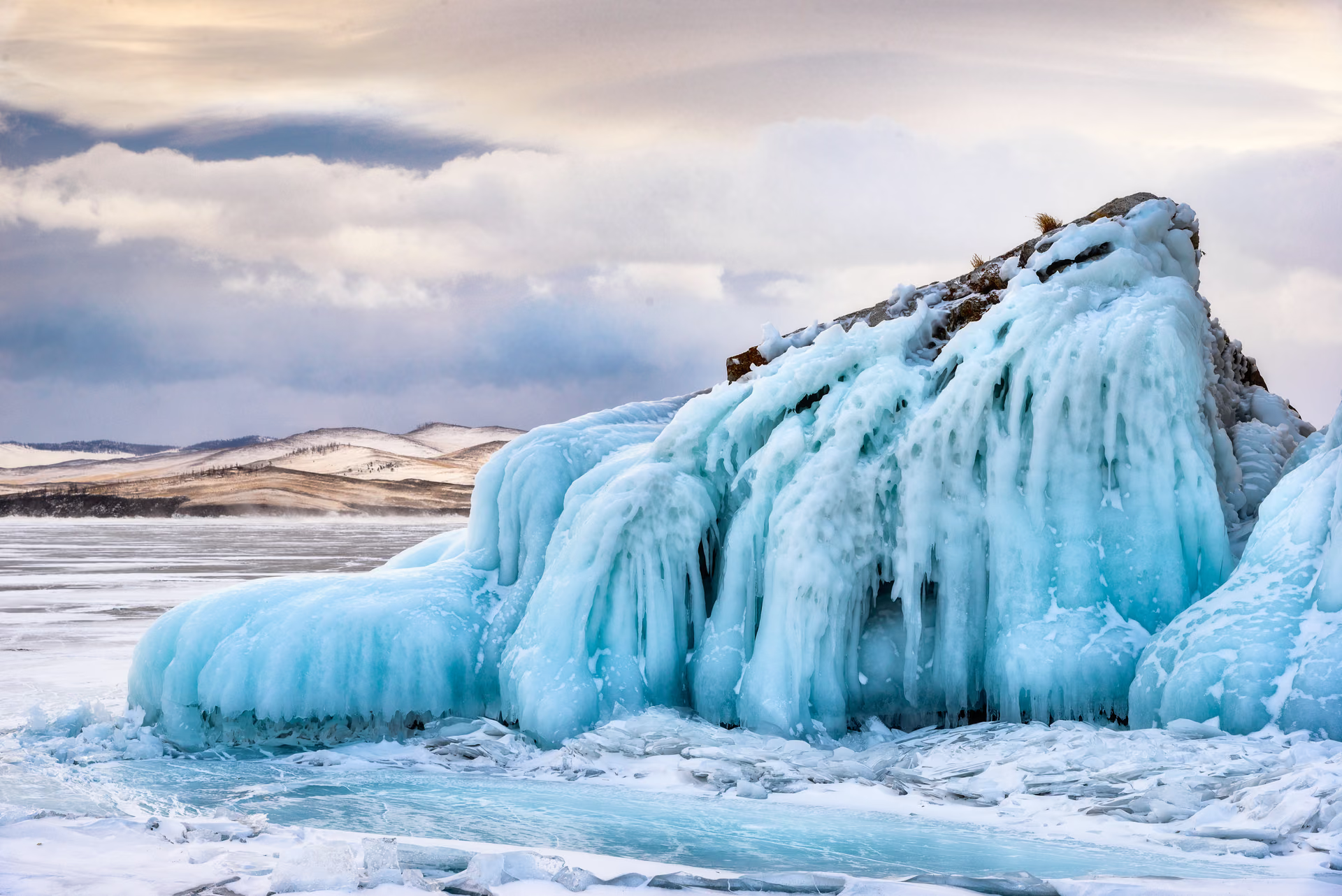
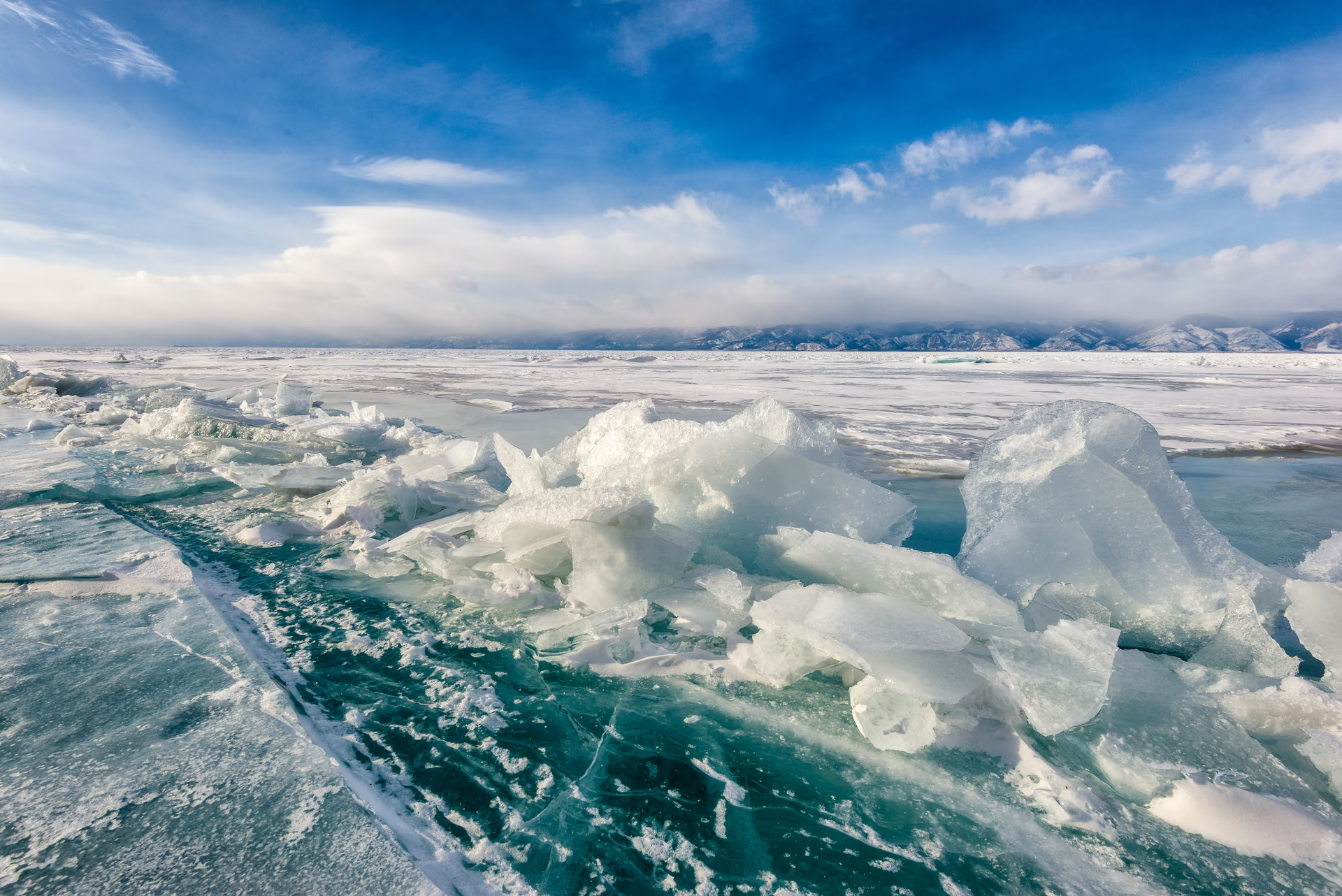
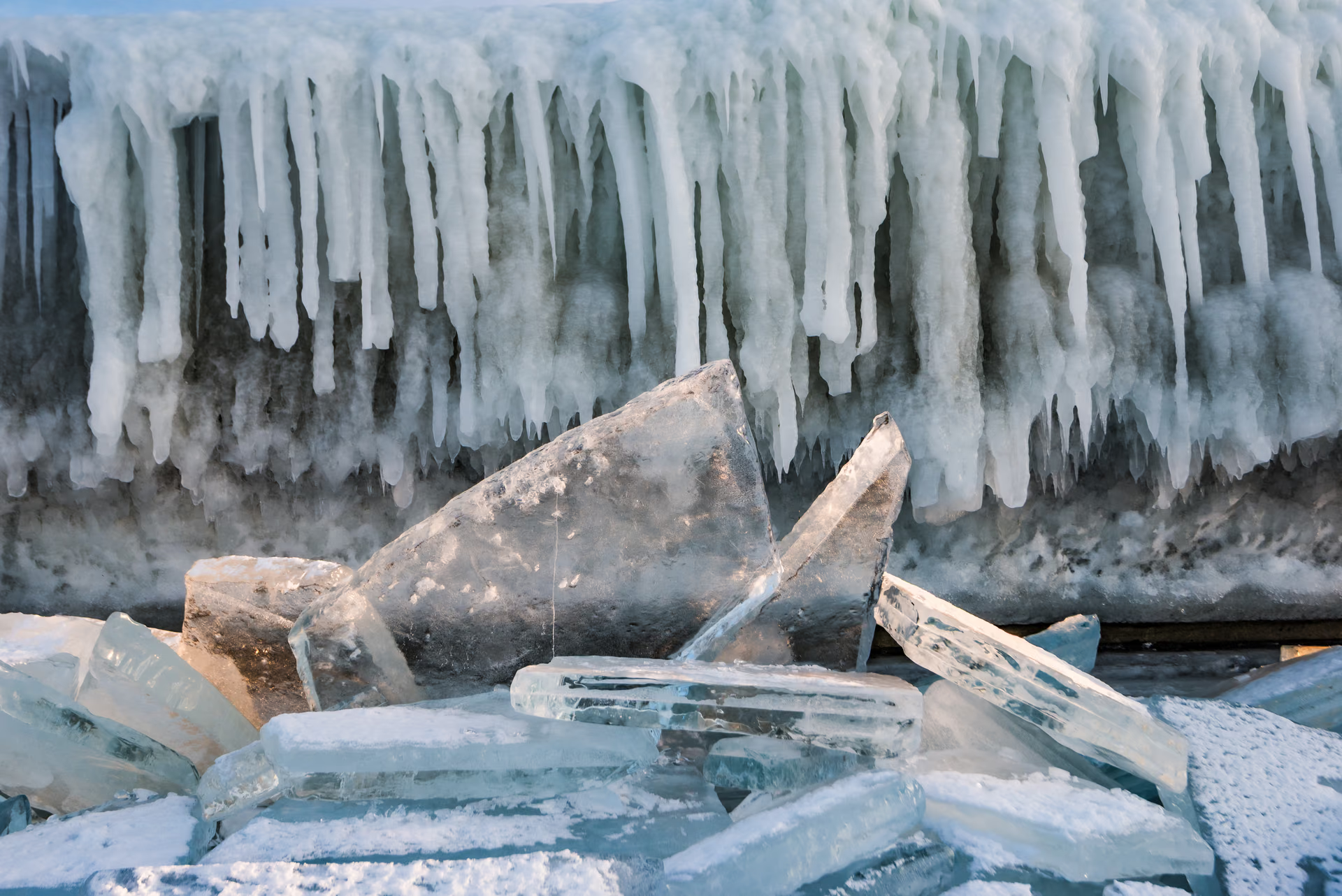
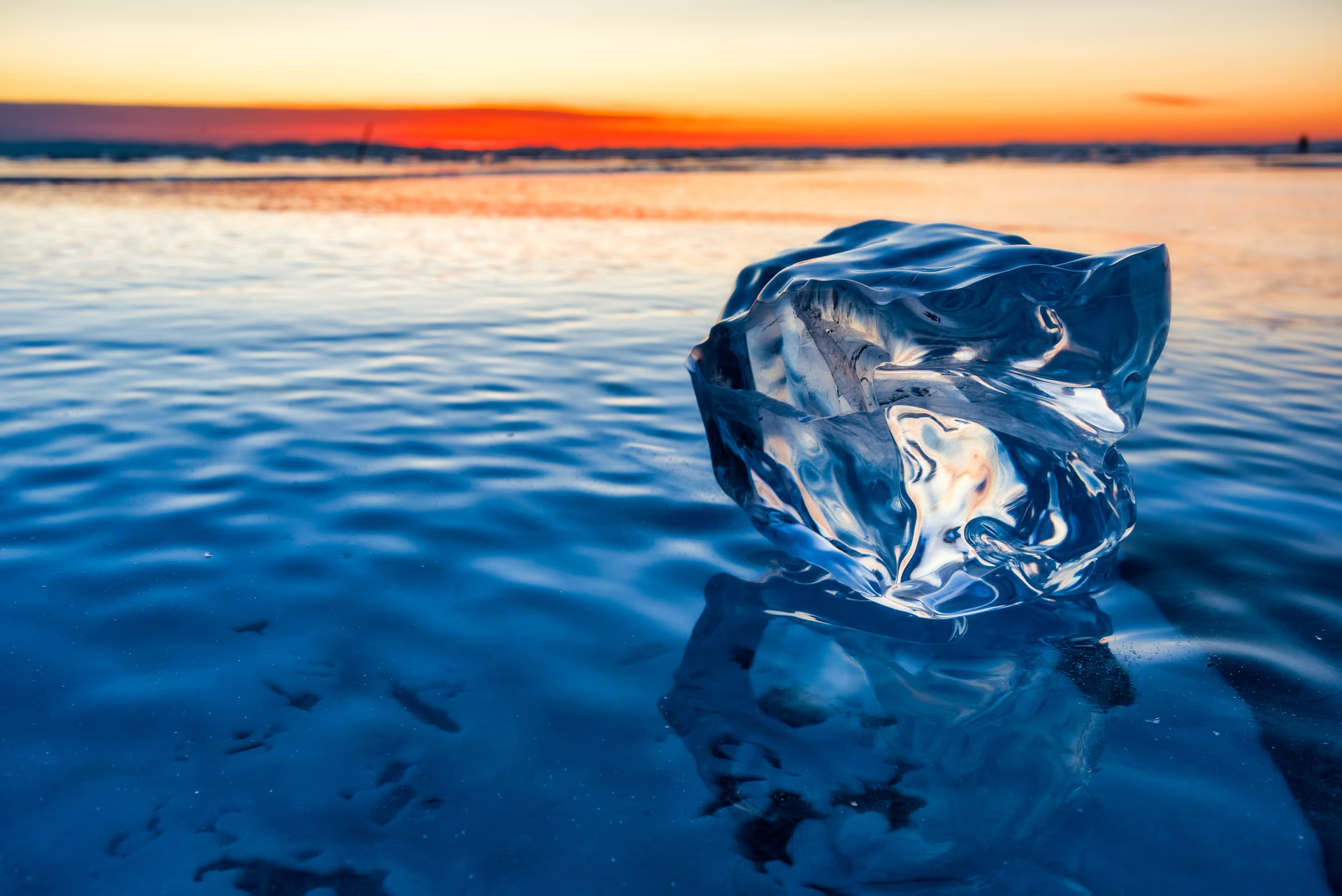
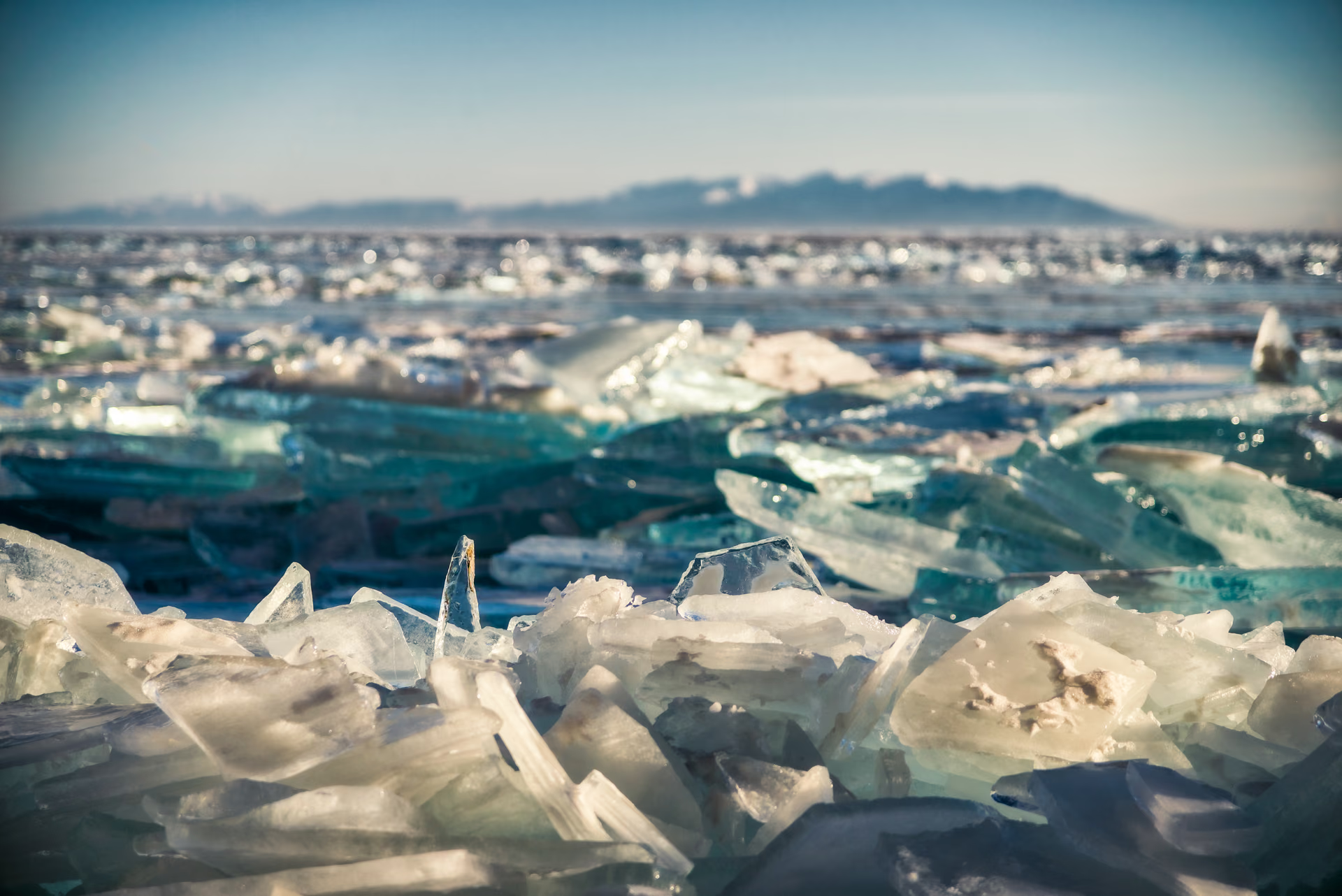
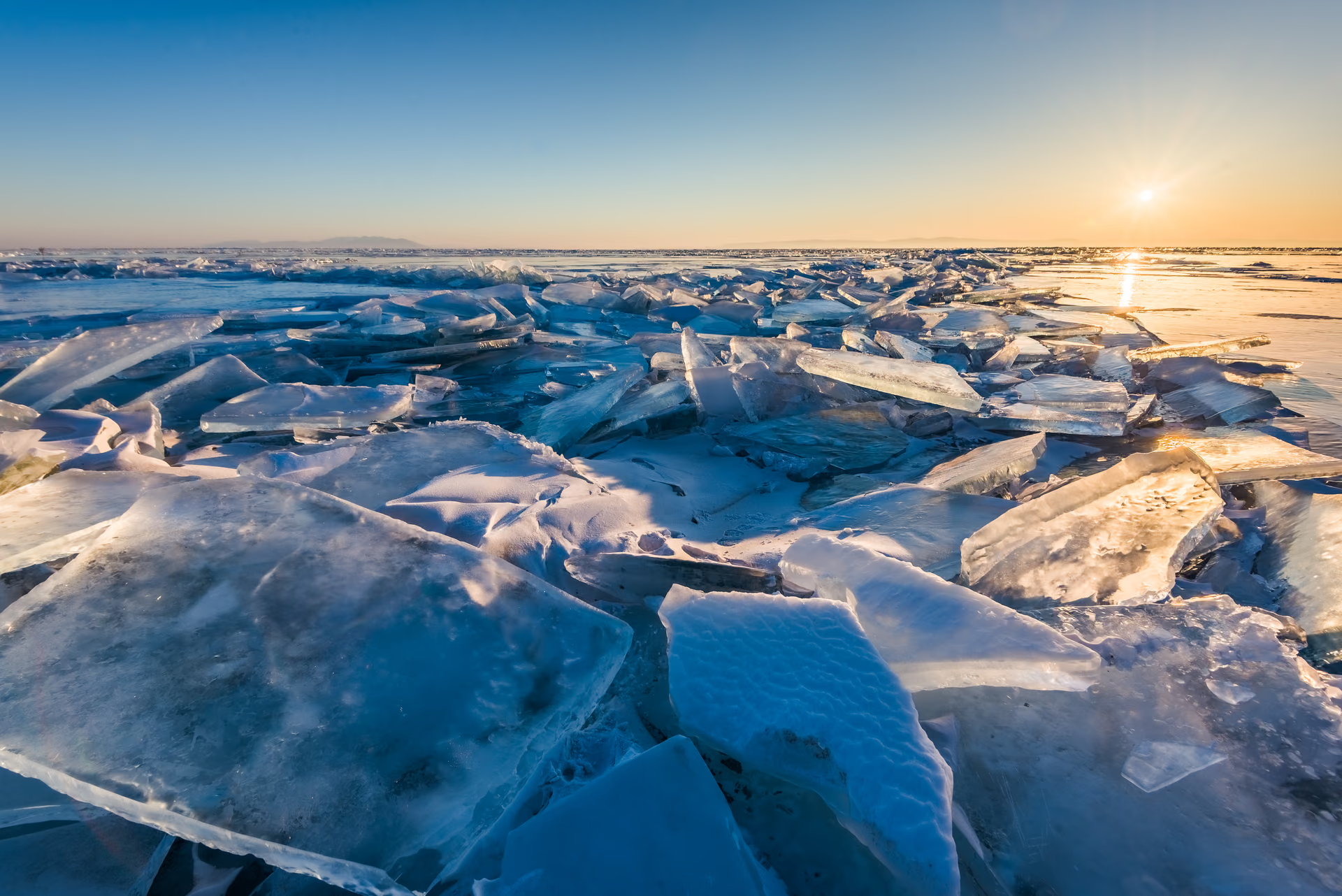
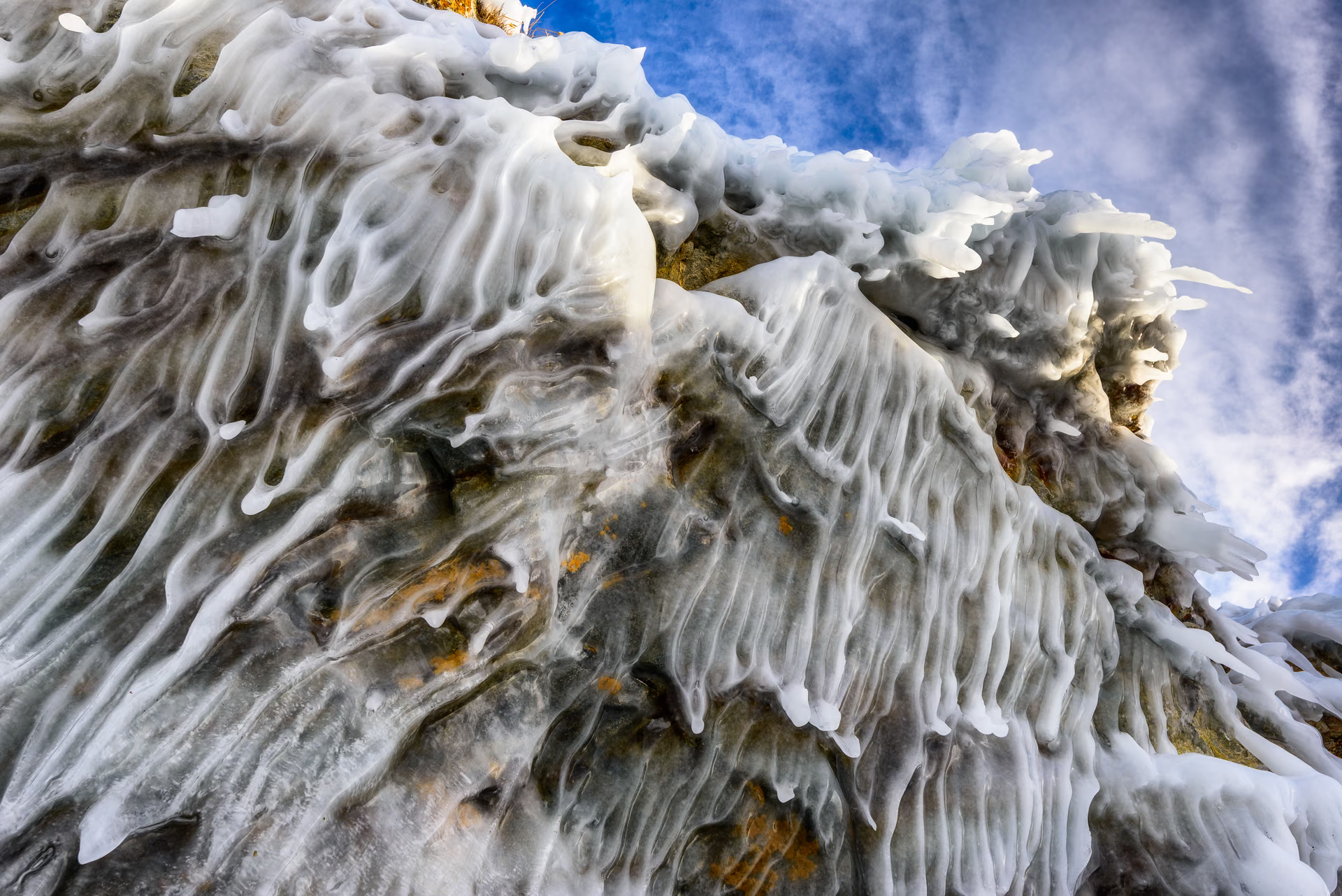
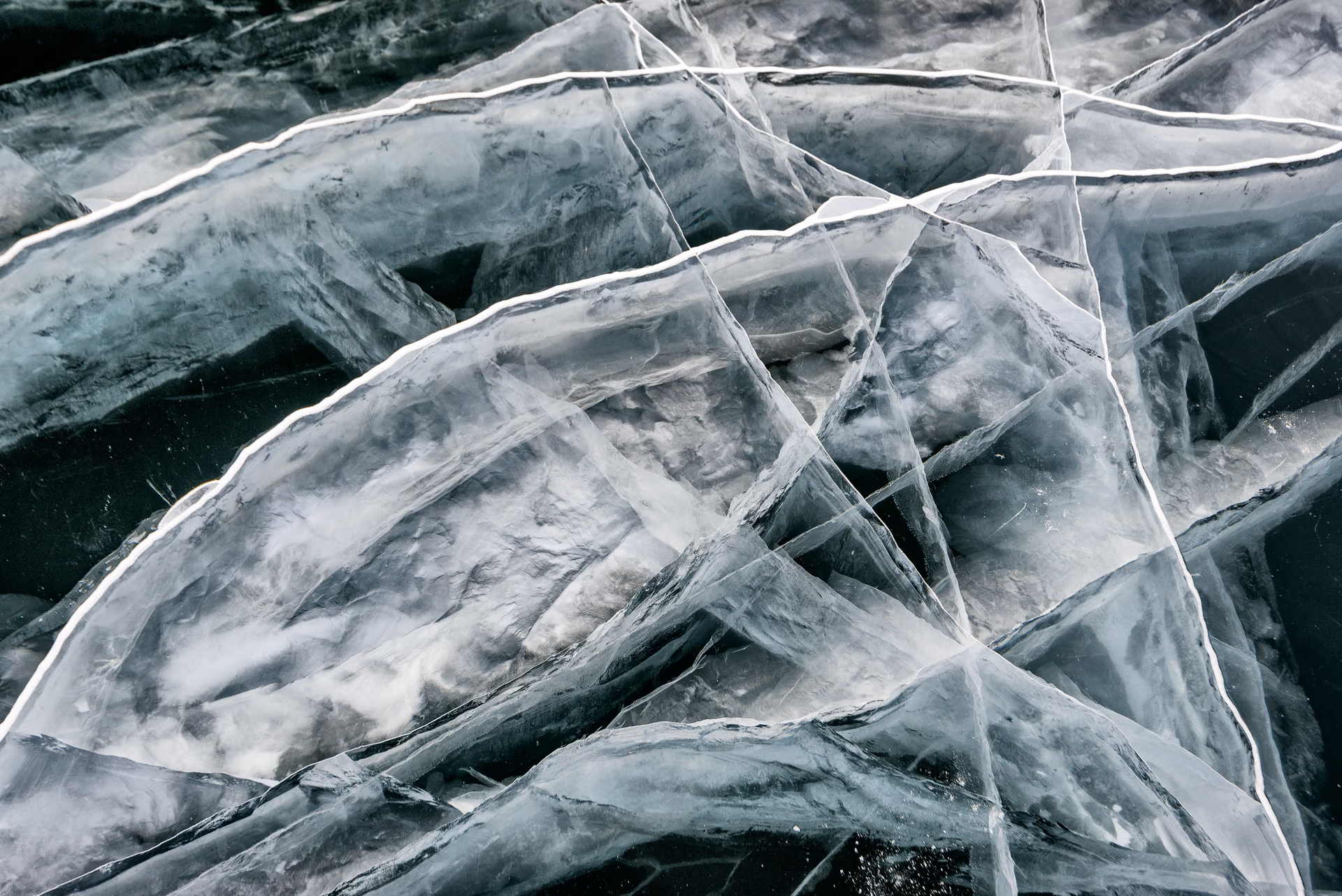
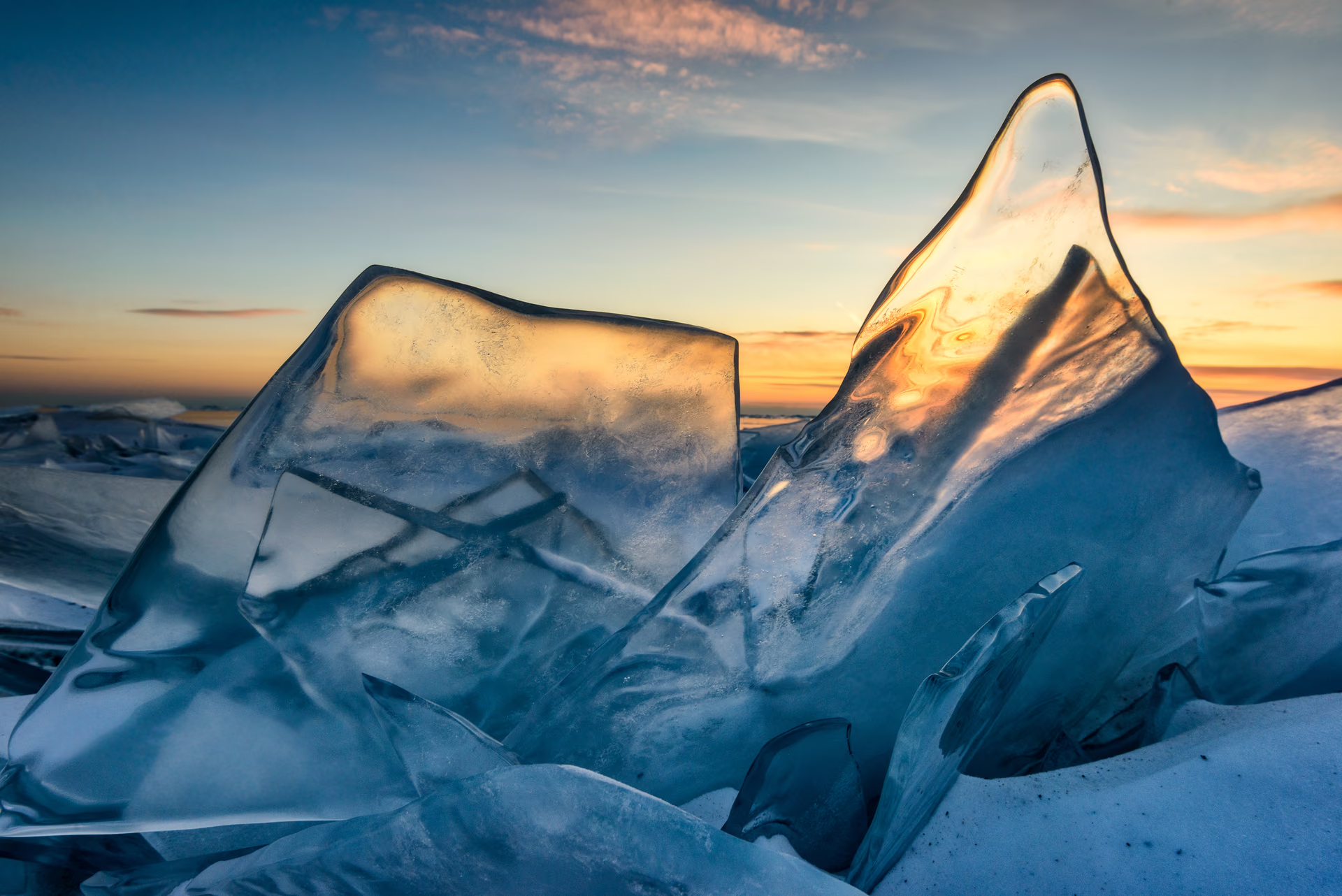
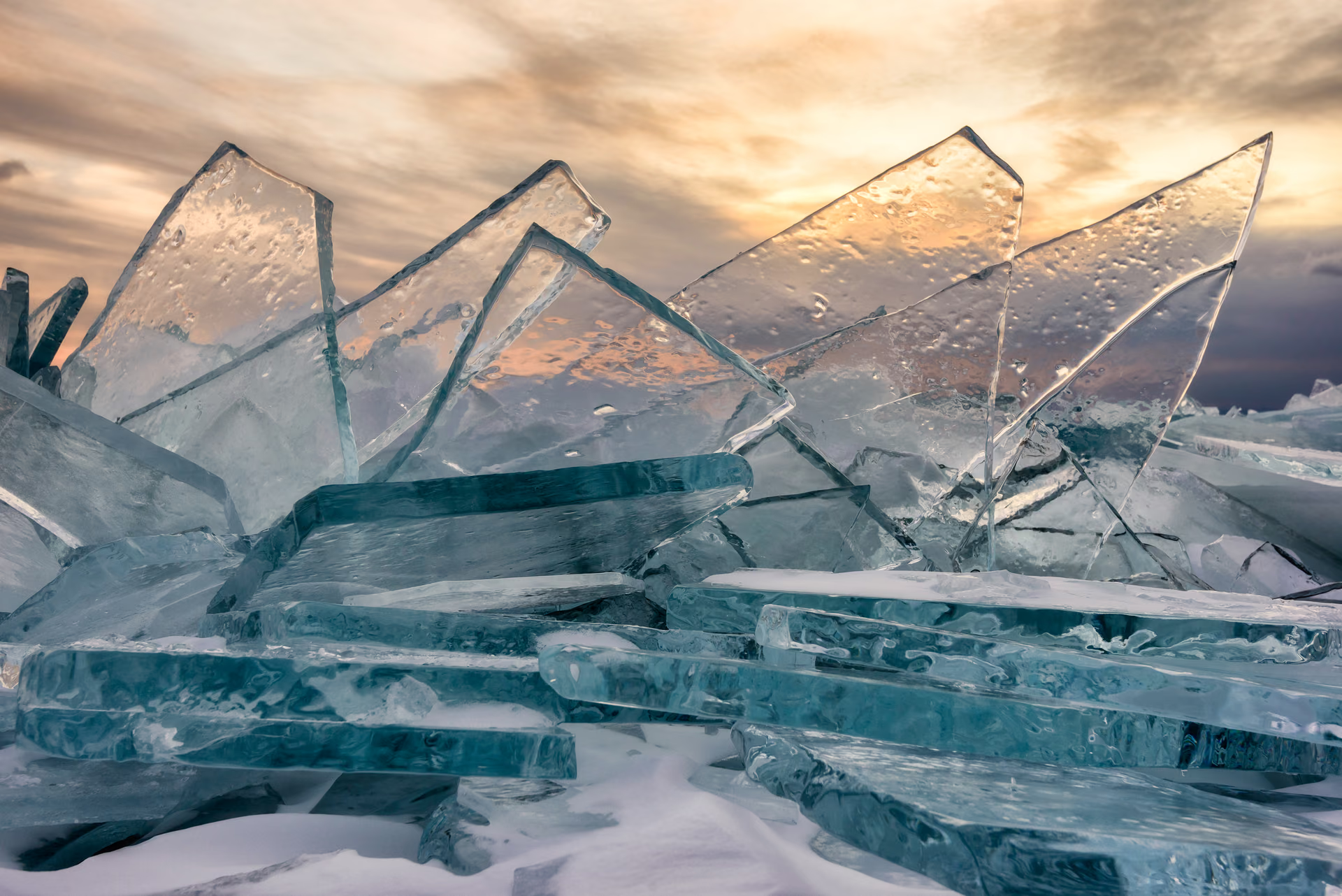
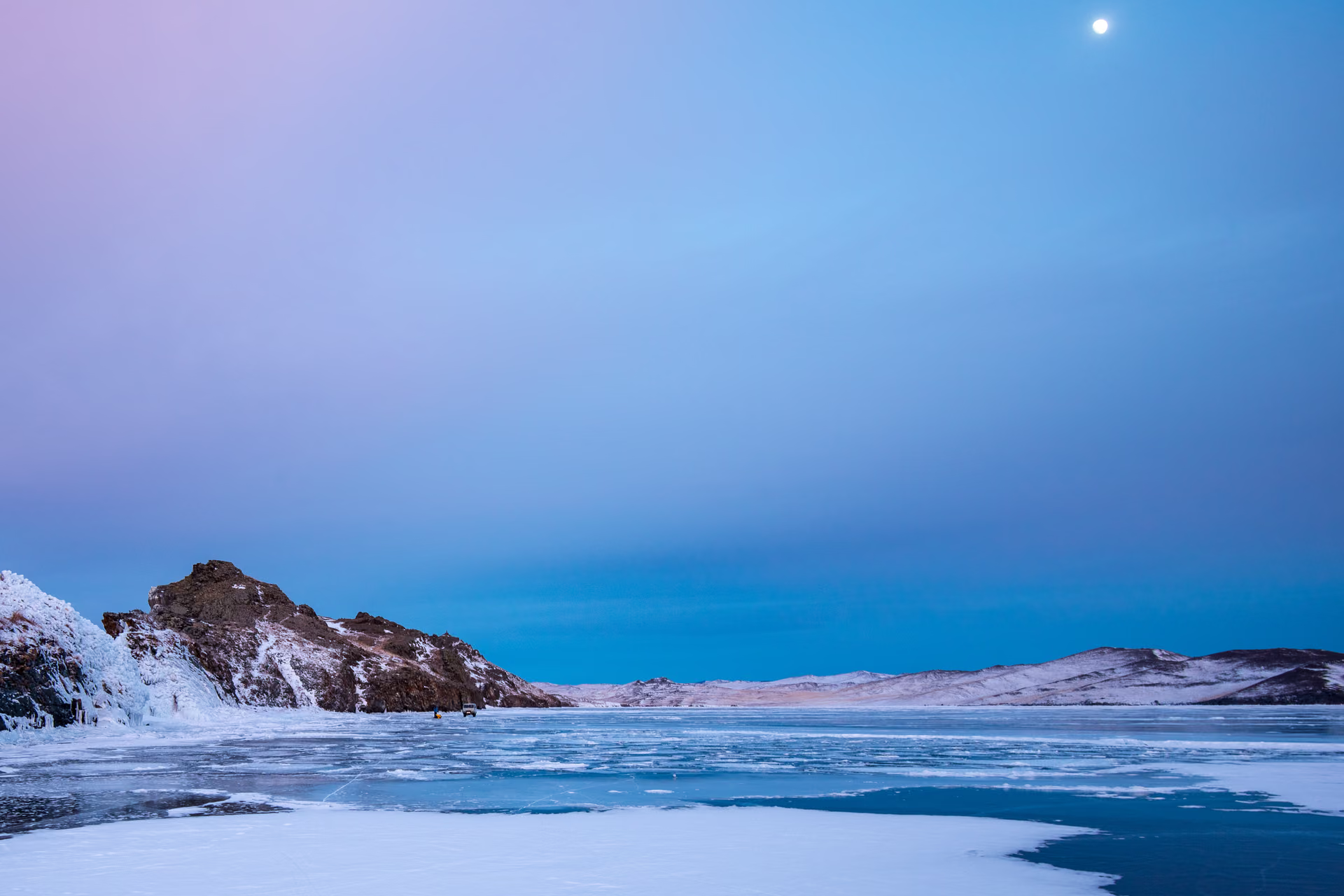
The series was shot on frozen Lake Baikal, on the ice around Olkhon Island, in 2016–2018. The work was done at temperatures from −30 to −45 °C, by day and by night, in clear weather and in snowstorms. 21 frames form a single sequence. It begins with clear black ice, moves through cracks, bubbles and close-up ice textures, sculptural forms and wave-spray ice on the cliffs, ice caves with a human figure inside, sunrise and sunset on the ice and a storm, and ends with a starry sky over the lake.
The story of the Olkhon expedition, with a night shoot at Cape Uzury and frames that did not make it into the series, is told in the Journal.